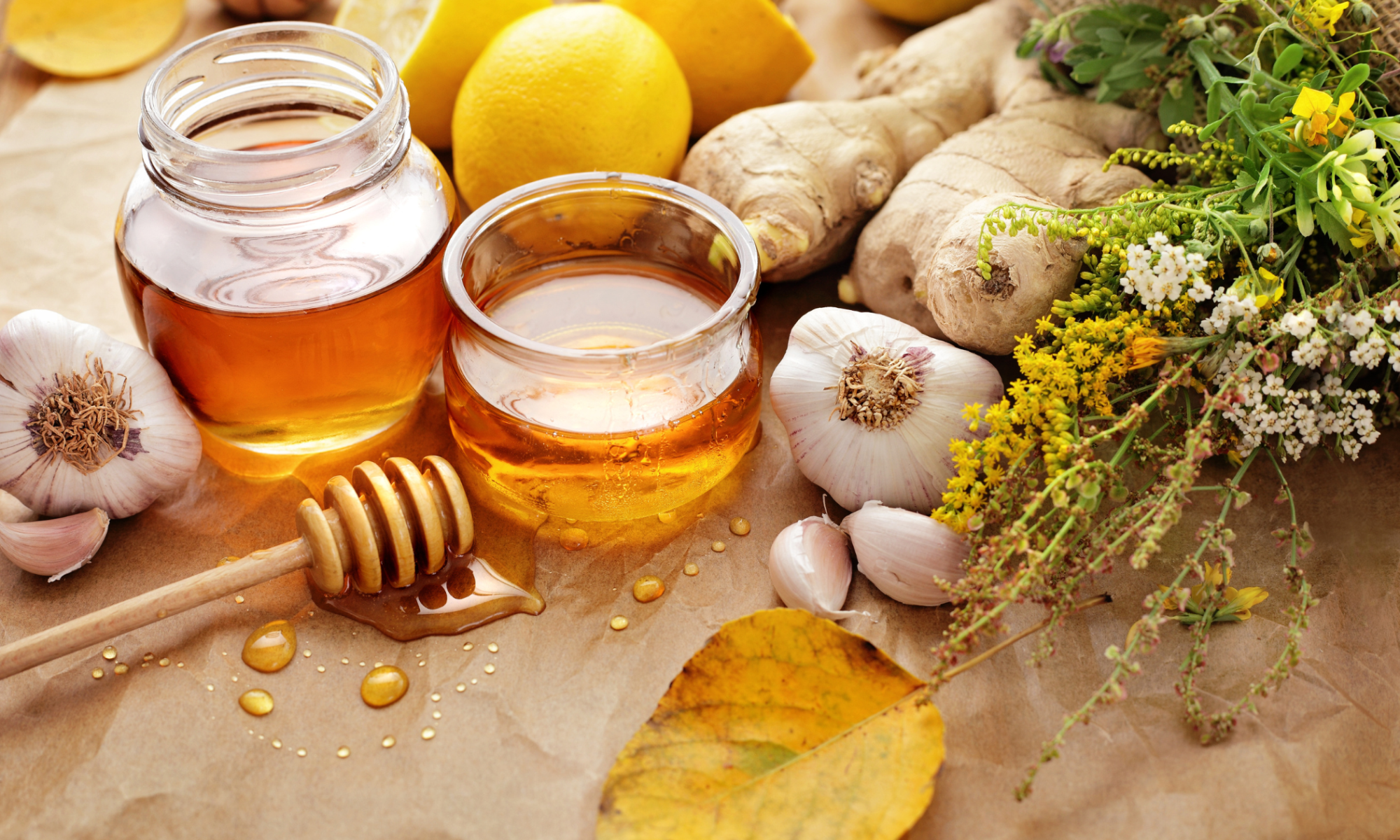

Craig harvested about the same amount of honey as last year (roughly 120 pounds). I was hopeful for a bit more because we had one more hive this year, but… bees, ya know? Totally unpredictable – at least that’s been our experience with backyard beekeeping. (We don’t claim to know how the big commercial beekeepers/honey producers operate and, in fact, aren’t advocating for that type of practice. We both continue to think that beekeeping is best for bees if done on a small scale.)
So, we jarred up this year’s harvest and started selling. It’s been fun!
We’re selling at these places this year:
OAK SPRING FARM STORE: Tuesdays from 2:00-6:00
HEREFORD FARMERS MARKET: Saturday, September 21st from 9:00-12:00 (possibly additional Saturdays)
HEREFORD FALL FEST: October 19th (10-5) and October 20th (10-6)
Craig and his friend, Chuck, are also offering another free “Intro to Beekeeping” class at:
PERRY HALL LIBRARY: September 28th from 2:00-3:00
BEE REPORT
We decided to keep our little nuc instead of over-wintering it at a friend’s house, so now we’re up to four hives. I think that will be our max. As stated above, we’re not looking to go big. We’ll see how many make it through winter. For now, they’re looking good!
Winterizing the Hives
Here’s a neat thing about bees – they are super tidy. They like to keep their hive clean and will also clean any honey-covered equipment you leave in the yard for them.
After harvesting, we put the supers and buckets outside for a few days so the bees can clean them. Here are some other common things beekeepers do to prepare for winter:
HIVE CHECK UP: Basically, beekeepers want their hives as healthy as possible before heading into winter. This means assessing the strength of the queen, estimating how many bees are in the hive, seeing how much honey they have left, and checking for problems.
FEEDING: We try to leave lots of honey in the hives for our bees, but some beekeepers (us included) occasionally feed sugar water to their bees after the harvest to give them an extra calorie boost heading into winter.
TREAT FOR VARROA: Varroa mites are like vampires to bees. They suck a bee’s insides out while also probably infecting it with a virus. Lovely, huh? Varroa are pests whose full scientific name is varroa destructor for a reason. A varroa infestation can easily wipe out an entire hive and spread to another hive very quickly. But you don’t want to treat for varroa before the harvest, which means it’s usually a fall task.
ENTRANCE REDUCER: Once summer is over, there are less bees, making less trips. To help the bees keep their hives warm in the winter, and to keep out intruders like mice, beekeepers sometimes install “entrance reducers.” You have to be careful about using them though, because if the bees are still too active, the entrance can get clogged with bees and the whole hive will die. (Yep, that happened to us one year. Always heartbreaking when you lose a hive, no matter the cause. Doubly bad when you feel like it was something you did.)
VIVALDI BOARDS: These are specially built frames that help with winter moisture, ventilation, and feeding problems. We’ve never used them before, but this year Craig made them for all our hives. (Every year, our goal is to have ALL OF OUR HIVES SURVIVE. Will this be the year?) Click here for a link on how to make these yourself.


Craig has been beekeeping since 2015. Jill started selling honey in 2018. Currently, they have four winterized hives and a flower garden that needs to be put to bed. Their latest experiment: Vivaldi boards. Stay tuned…
 Windtree Bee
One Reply to “”