Master Gardener Cara Bonner recently gave me a tour of Baltimore County’s Demo Garden. If you haven’t been yet, you should go! The demo garden is open to the public year-round and access is free. No dogs, shut the gate behind you, sign the guest book, and then stroll around for inspiration and ideas.
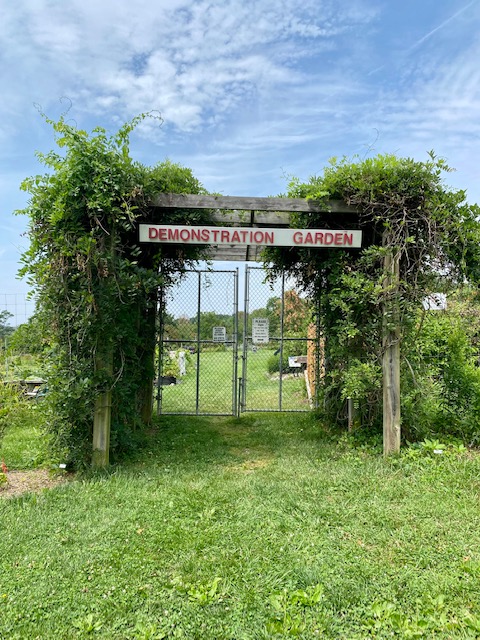
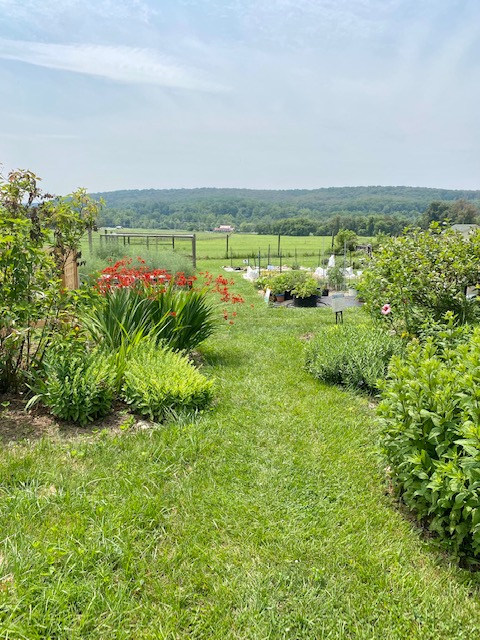
Inside the demo garden are different themed areas. My two favorites were the Pollinator Garden and the Monarch Waystation. Each area has its own mailbox with information and handouts inside.
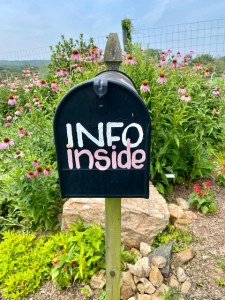
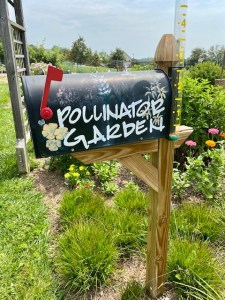
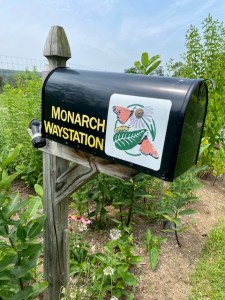
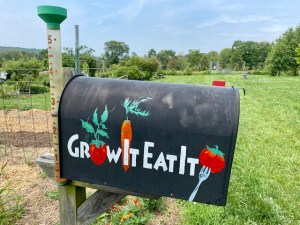
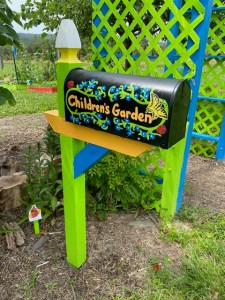
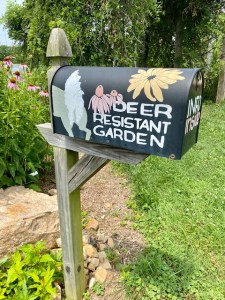
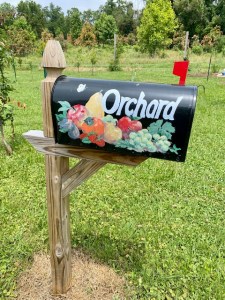
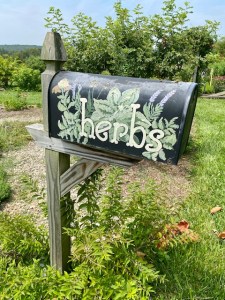
The Pollinator Garden mailbox has information sheets about the plants that are in the garden, common Maryland pollinators, and tips for planting your own pollinator garden at home. Popular flower choices are zinnias, black-eyed Susans, and sunflowers. You can also plant milkweed for the monarchs, salvia for honeybees and hummingbirds, and phlox for butterflies and hummingbirds. Remember, no pesticides!! A lawn that looks like AstroTurf is not only unnatural, it’s a desert wasteland to pollinators. But a lawn full of clover looks charming and is wonderful for the bees!
My own pollinator garden
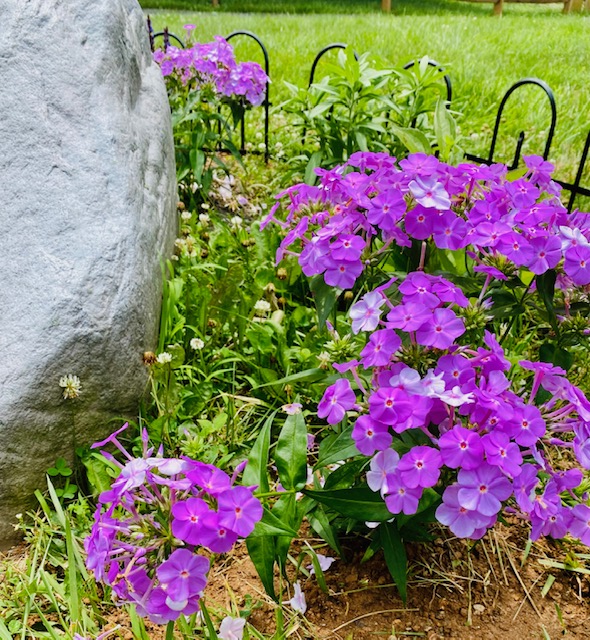
After visiting the pollinator garden down at the Ag Center, I was inspired to plant my own. Here’s what’s in it:
- Yellow Yarrow (Achillea)
- Black-eyed Susans (Rudbeckia)
- Dwarf Sneezeweed (Helenium)
- Catmint (Nepeta)
- Salvia
- Phlox
- Bee Balm
They’re all perennials, so hopefully they’ll come back next year.
Baltimore County’s Master Gardener Demo Garden is in Cockeysville — 1114 Shawan Road
For more information on pollinator gardens and invertebrate conservation, visit the Xerces Society
TREES FOR BEES
Central Maryland Beekeepers Association had a journeyman beekeeper from Georgia as its guest speaker this month. Jimmy Gatt talked about why trees are among the best things you can plant for honeybees. Unfortunately, I wasn’t able to make the meeting, but CMBA shared Jimmy’s list of trees, shrubs and forbs with me. I’m sharing it below with their permission. (What’s a forb? Forbs are generally broad-leafed flowering plants that are not grasses or woody plants like trees and shrubs.)
Trees:
Basswood (Tilia Americana)
Buttonbush (Cephalanthus occidentalis)
Devil’s walking stick (Aralia spins)
Franklin’s tree (Franklinia alatamaha)
Smooth sumac (Rhus glabra)
Winged sumac (Rhus copallinum) — highly recommended
Staghorn sumac (Rhus typhina)

Shrubs:
Summersweet (Clethra alnifolia)
Coralberry (Symphoricarpos orbiculatus)
Shrubby St. John’s wort (Hypericum prolificum)
New Jersey Tea (Ceoanthus americanus)
Bottlebrush buckeye (Aesculus parviflora)
Meadowswet (Spirea alba)

Forbs:
Anise hyssop (Agastache foeniculum)
Common milkweed (Asclepias syriaca)
Butterfly weed (Asclepias tuberosa)
Swamp milkweed (Asclepias incarnata)
Clustered mountain mint (Pycnanthemum muticum)
CMBA’s next membership meeting is at the Ag Center — August 3rd from 5:00-9:00 p.m. Join the club and then tour the Demo Garden! 🙂
 Windtree Bee