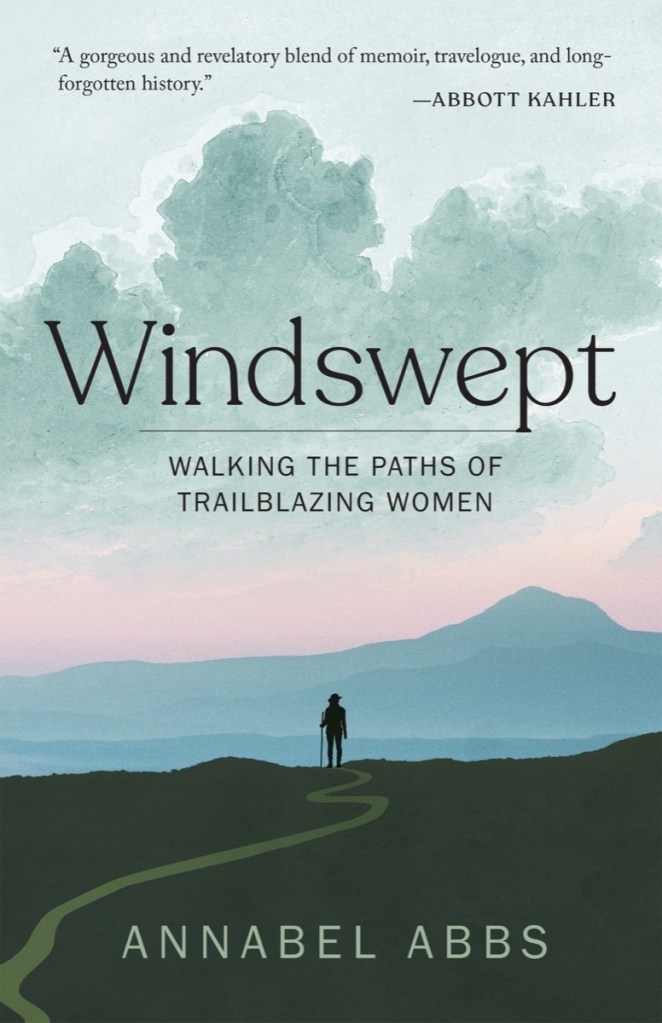
WINDSWEPT by Annabel Abbs

A perfect book to start reading on International Women’s Day, during Women’s History Month, or anytime. Enjoy! 🙂

I bought this book because I love stories about outdoor journeys, especially if they are written by women. (Rough Magic by Lara Prior-Palmer and This Road I Ride by Juliana Buhring come to mind immediately). Windswept was doubly intriguing because it was part memoir and part women’s history. Abbs studied six “walking women” – women who walked for pleasure, and for whom walking was a part of their identity, even if they were mostly known for other things. As Abbs learned, she also walked, retracing their footsteps as best she could in landscapes that were often much changed.
I started reading Windswept over the holidays in Evergreen, a mountain town on Colorado’s Front Range. When our flight back was cancelled (one of thousands cancelled due to weather and the pandemic), we decided to rent a car and drive the 1,700-mile return trip to Maryland. My kids were able to see the Great Plains and Kansas prairie and I was able to spend two car-bound days reading.

Maybe it was my enforced captivity that made the book so appealing. Abbs describes numerous hikes in faraway locales: Germany, Italy, France, Scotland, Texas, and New Mexico. Even if I don’t aspire to repeat Abbs’ (or Prior-Palmer’s or Buhring’s) exact adventures or routes, I find these stories incredibly inspiring.

Who would I recommend this book to?

Anyone who loves nature writing or outdoor adventure stories, with the caveat that these walks are on the milder rather than wilder side. There is no race. This is no woman-against-nature story.

Anyone who enjoys stories about understudied women. Many of the women Abbs studied are famous, but not as hikers or naturalists. But after Abbs’ presentation, maybe they should be.

Anyone who is interested in any of the women Abbs showcases: Frieda von Richthofen (D.H. Lawrence’s wife and muse), Gwen John (Welsh portrait artist), Clara Vyvyan (unfairly forgotten English writer and hiking partner of Daphne du Maurier), Nan Shepherd (Scottish nature writer), Simone de Beauvoir (French writer and feminist philosopher), and Georgia O’Keeffe (American abstract artist).

I’m torn about whether having prior knowledge of these women would make the book more enjoyable. Except for du Maurier and O’Keeffe, I hadn’t heard of any of them, so part of the appeal was Googling them and learning a bit more about them. But my lack of prior knowledge also meant it was difficult for me to keep track of their individual stories.

Things you might not like

Scrolling through Goodreads reviews, I saw that a few readers took issue with Abbs including so much of her own experiences in the book. Huh? That was the point. Without Abbs connecting the six walking women through her own story, Windswept would have been little more than a dry, academic textbook.

Abbs also seemed to spend an outsized amount of time, word count, and analysis discussing fear. Fear of heights, fear of men, fear of the woods…

I’m not saying these fears aren’t sometimes justified, just that it was the biggest part of the book I had trouble relating to. Sure, I’m afraid of things. And I also share Abbs’ fear of heights. Climbing walls and cliffsides make my legs feel like they’re made of jelly. Observation towers, cathedral cupulas, lighthouses – all have been known to cause panic in me. (Oddly, airplanes don’t. Fear is weird.)

But I don’t, as a rule, fear men or silent, dark forests. At times, I felt as if Abbs’ frequent reversion back to the theme of fear underscored it rather than vanquished it. Maybe it’s that when fear is such a significant part of any story, I prefer stories that end with an unquestionable, cathartic conquering of that fear.

But that’s no reason not to read the book. In fact, the opposite. Abbs’ treatment of fear is one of the most interesting parts of Windswept and maybe the one most worth discussing.

Final Thoughts

Abbs bookended her collection of stories with references to the fact that her three-year journey retracing these women’s hikes and learning about their lives was her way of dealing with an empty nest. Since my younger daughter is bound for college next year, it’s a motive I sympathize with.

The book ends on a comforting note. The last chapter is titled “Home” and includes some cute texts from Abbs’ kids. She reminds readers that, for most of history, women walked for mundane reasons, not because they were trying to escape trauma or transform themselves.

Windswept is an exploration of the interrelatedness of self, walkabouts, and home.
Winter Recap & Early Spring Update

Bee Report

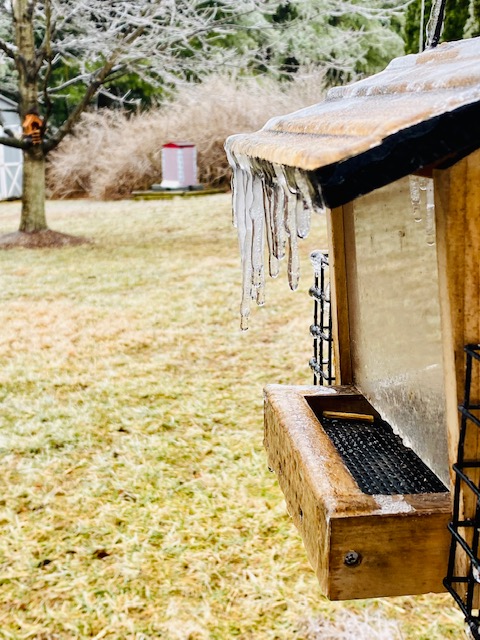
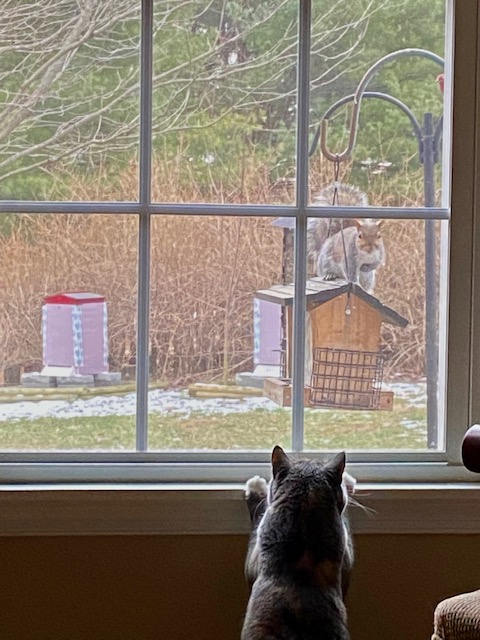
Five of our hives made it through deep winter and are still alive, which is a lot better than last winter when we lost all of them and had to completely repopulate our little apiary. Currently, we have six Langstroth boxes on our property and an additional two over at Oak Spring Farm. The three that didn’t make it are on our property.

The two at Lisa’s are super strong. They started from a swarm that Craig caught last year. Swarms are always hardy and healthy, so they make excellent hive starters. Last summer the Oak Spring hive grew so big, it split, and Craig caught the second swarm and built a new box for it. Along with the fact that the two Oak Spring hives started from natural, robust swarms, they also get to live on an organic farm with no threat of pesticides and a nice, diverse mix of flora and fauna. No wonder they’re healthy!! 😀

We ordered three new nucleus hives from Central Maryland Beekeepers Association to replace the ones on our property that we lost. I want to keep better track of our hives this year (to better understand the factors that influence their health), so I bought my first bee suit. I plan to tag along with Craig on some of his hive inspections and possibly help with some of the lighter beekeeping duties. I’ll keep everyone posted…

Please keep up your prayers and positive thoughts for our little bees. They’re not quite out of winter danger yet!

Other Fun Stuff

Chesapeake Agricultural Innovation Center’s Business Solutions for Value-Added Producers Program

Last month, I attended this two-week long virtual workshop series hosted by Emiliano Espinosa, CAIC Program Director. Instructors included Janna Howley from Grow & Fortify, Brian Brown from Southeast Rural Community Assistance Project, and Kim Bryden and Kathleen Overman, both from Curate. Learned LOTS of great info, but one of the best things was also connecting with other small value-added food producers in the region.

Gotta give shout outs to two participants who really went above and beyond in sharing tips and advice with me: Jasmin Sellers, owner of Naranti Natural Foods (“The world’s greatest granola”) and Eric Malcolm, owner of Backyard Apiaries. Jasmin’s granola can be ordered online and comes in small snack packs that are the perfect size for pockets, backpacks, and bike bags. Eric is in Montgomery County – if you live there and need beekeeping services, he’s the guy to call!!

Maple Syrup

When the daytime temp is in the 40s and the nighttime temp is below freezing, it’s maple syrup time!!

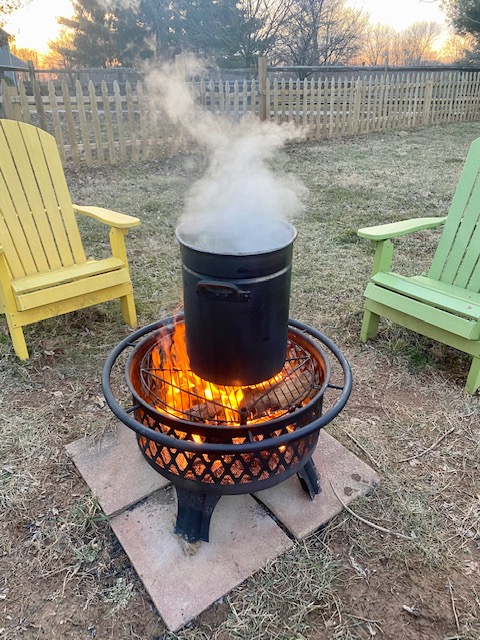
We don’t have enough maple trees to collect enough sap to sell syrup, but it’s a fun family project. We tapped more trees this year, so Craig was able to boil enough sap to make a few extra jars for friends and neighbors, which was terrific! It’s always good to share nature’s gifts!! 🙂

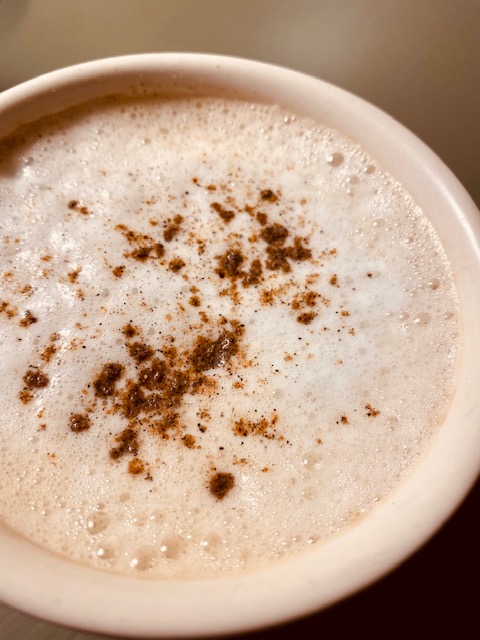
Our two favorite ways to use maple syrup are also our two favorite ways to use honey – in tea and oatmeal. I finally mastered the art of frothing milk this winter, so my homemade chai tea is better than ever! Depending on my mood, I sweeten it with either honey or maple syrup.

Flowers & Seeds

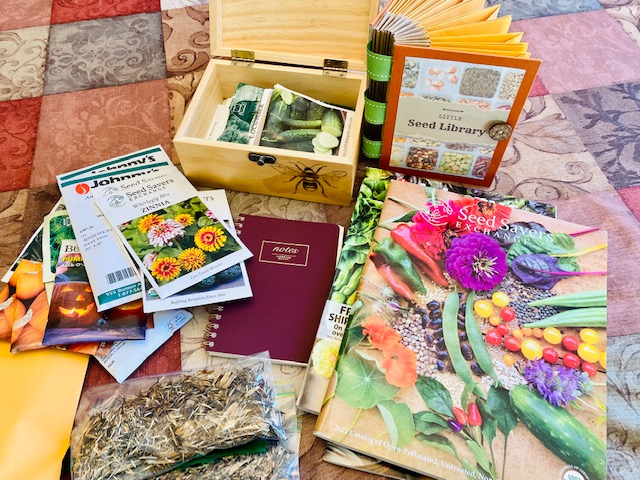
Grow lights have been set up in our basement and some of our first seeds have been planted – a handful of veggies (eggplant, peppers, and tomatoes), Johnny’s “Brush Strokes” (a beautiful edible flower we grew last year), and some Lemon Mint (a.k.a. Bee Balm) from Seed Savers Exchange.

I’m not growing anything too different flower-wise this year. Still planting the Benary’s Giant and Queen Series zinnias, and dahlias from seeds instead of tubers. Eventually, I want to try to take on tubers, but not this year. I ordered the “Bee’s Choice” dahlia mix from Floret Farm, which my bees will hopefully love!

Going right into the ground later this year is “Bee’s Friend” (Phacelia tanacetifolia), a bunch of sunflowers (for the bees), and four different cucumber varieties (for us). I’m also going to try to get a patch of Black-Eyed Susans to take root permanently in my perennial garden.

Books

Winter is a great time to catch up on reading! One of my New Year’s resolutions was to read more. Below are a few books from my 2022 TBR list.

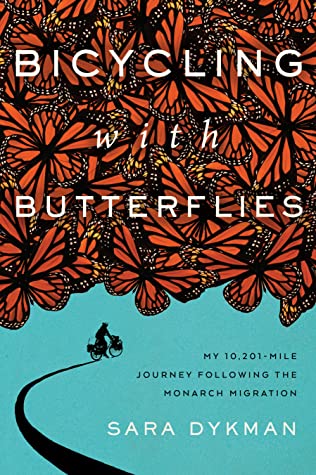
Bicycling with Butterflies: Summer of 2019, I biked over 750 miles. Part of my inspiration came from reading Juliana Buhring’s This Road I Ride, which was her story about being the first woman to circumnavigate the world on a bike. Sara Dykman’s new book is about her 10,201-mile, two-wheeled journey following the monarch migration. I’d love to set a new biking record for Summer 2022 – but I also have a lot of plans for Windtree Bee – so we’ll see how many miles I can bike this summer while also selling honey, jam, and flowers.

Discovering Dahlias: Erin Benzakein’s latest… because someday I’ll tackle tubers!

The Joy of Weeds: I hate weeding my garden, but love weeds in my yard – ha! (Things only a beekeeper would say.) Craig and I are slowly turning our green grass lawn into a charming white-clover-and-dandelion-filled space.

For the Love of Pawpaws: Did you know Pawpaws are native to eastern North America? Honeybees could care less about them, which makes sense since honeybees aren’t native to North America. But I love the idea of growing a fruit tree that is native to this area.

The Lost Spells: Gorgeous artwork and beautiful poetry combine in one little powerful book that is small enough to carry with you on a bike or hike. Read out loud for maximum prayerful effect.

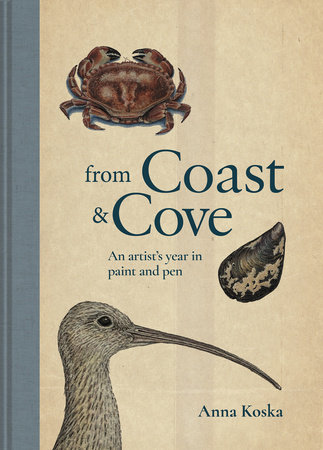
From Coast & Cove: an illustrated journal of four seasons on the English coast by botanical artist Anna Koska. Wish it was about the Chesapeake Bay but I’m sure it will still be amazing!

Windswept: Walking the Paths of Trailblazing Women: Finished this last month. Terrific! Will post review soon.

Baltimore Museum of Art

My younger daughter wanted to celebrate her 18th birthday with a trip to the BMA, so we spent a day in late January wandering around the galleries and exhibition halls. Three of my favorite pieces/exhibits were:

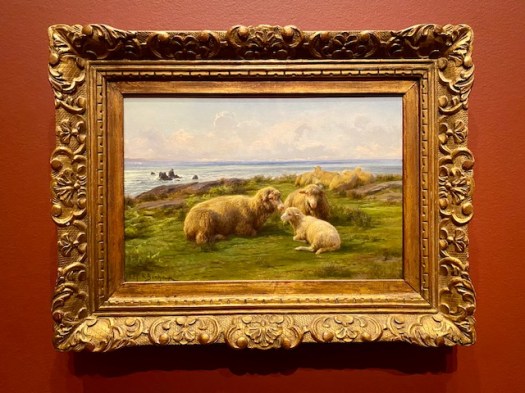
Rosa Bonheur’s Sheep by the Sea: a bucolic oil painting of a group of woolly ewes and a lamb chilling somewhere in the Scottish Highlands.

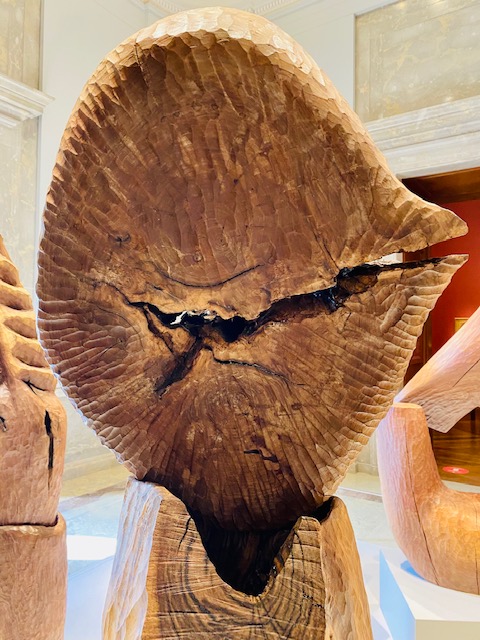
Thaddeus Mosley’s Forest: a group of walnut sculptures made from felled trees gathered near Pittsburgh, Pennsylvania.

Spencer Finch’s Moon Dust: a light installation that replicates the chemical composition of the moon dust brought back from NASA’s 1972 Apollo mission.

Hiking Near & Far – Two Standouts

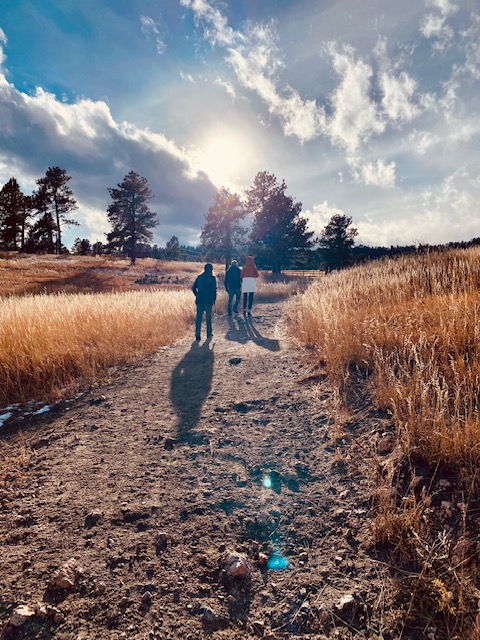
Elk Meadow Park, Colorado
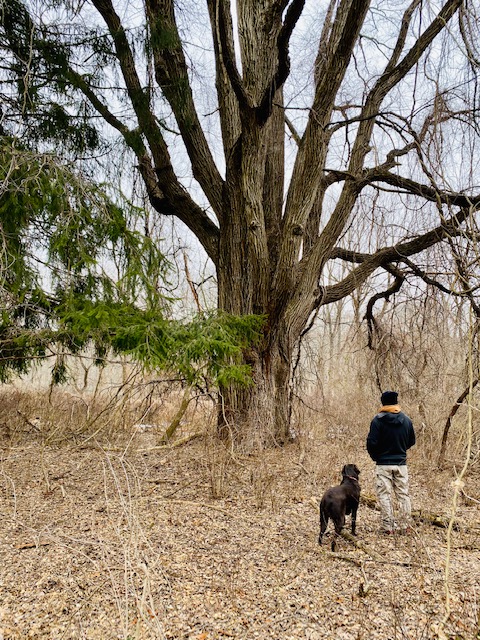
Ginormously awesome tree in the Hereford Area of the Gunpowder Falls State Park

Stay tuned for future updates…

In the meantime, keep hiking, reading, and planning for spring!!

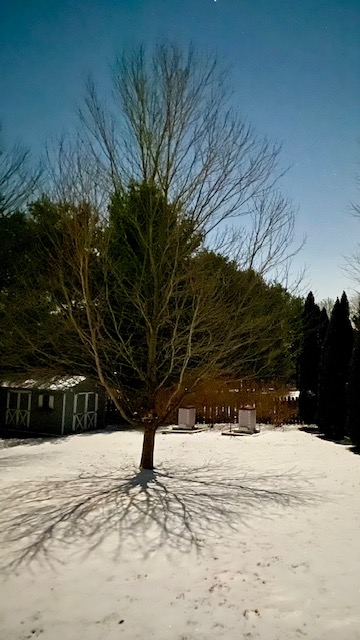
February 14, 2022 at 10:33 p.m. – Valentine’s Day moonlight and the Windtree Bee Beehive Cluster 😀