Pollinator Gardens

Master Gardener Cara Bonner recently gave me a tour of Baltimore County’s Demo Garden. If you haven’t been yet, you should go! The demo garden is open to the public year-round and access is free. No dogs, shut the gate behind you, sign the guest book, and then stroll around for inspiration and ideas.
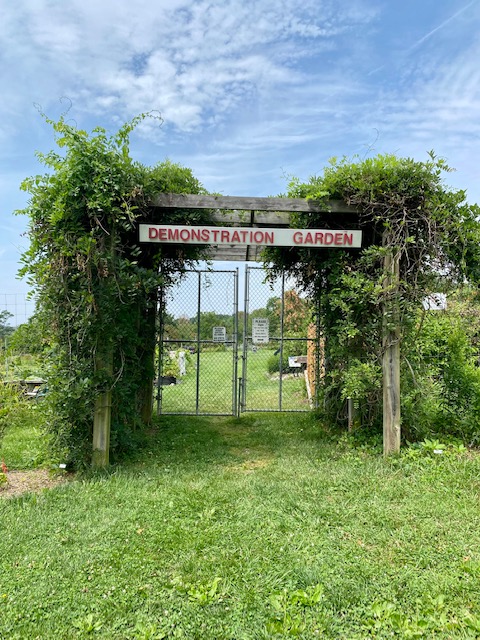
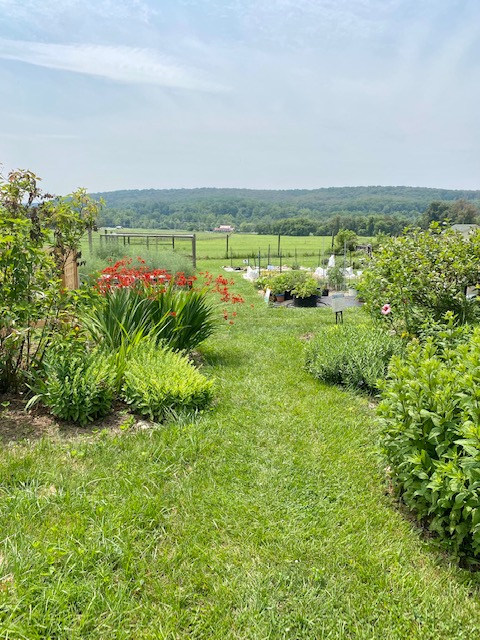
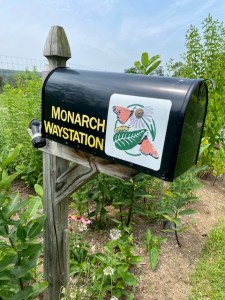
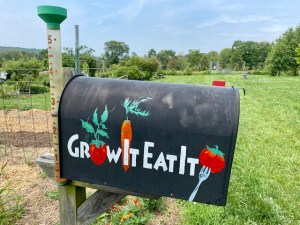
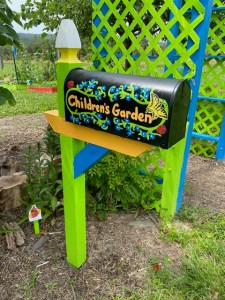
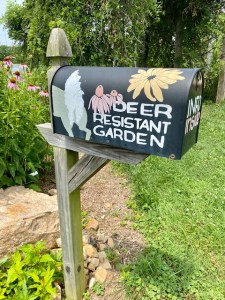
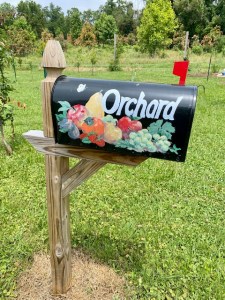
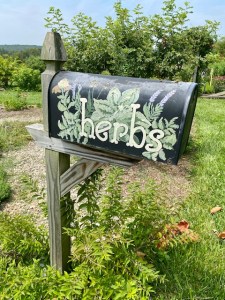
Inside the demo garden are different themed areas. My two favorites were the Pollinator Garden and the Monarch Waystation. Each area has its own mailbox with information and handouts inside.
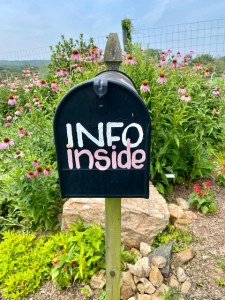
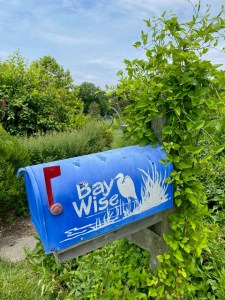
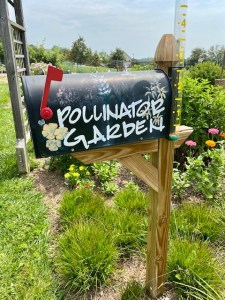
The Pollinator Garden mailbox has information sheets about the plants that are in the garden, common Maryland pollinators, and tips for planting your own pollinator garden at home. Popular flower choices are zinnias, black-eyed Susans, and sunflowers. You can also plant milkweed for the monarchs, salvia for honeybees and hummingbirds, and phlox for butterflies and hummingbirds. Remember, no pesticides!! A lawn that looks like AstroTurf is not only unnatural, it’s a desert wasteland to pollinators. But a lawn full of clover looks charming and is wonderful for the bees!

My own pollinator garden
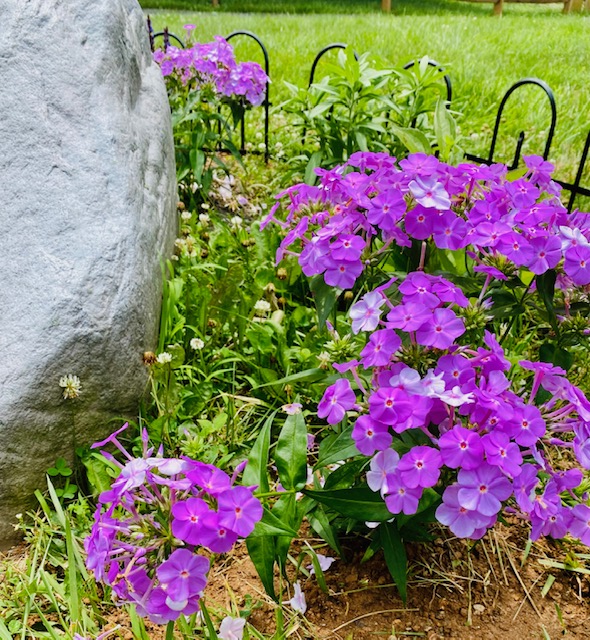
After visiting the pollinator garden down at the Ag Center, I was inspired to plant my own. Here’s what’s in it:

  • Yellow Yarrow (Achillea)
  • Black-eyed Susans (Rudbeckia)
  • Dwarf Sneezeweed (Helenium)
  • Catmint (Nepeta)
  • Salvia
  • Phlox
  • Bee Balm

They’re all perennials, so hopefully they’ll come back next year.


Baltimore County’s Master Gardener Demo Garden is in Cockeysville — 1114 Shawan Road

For more information on pollinator gardens and invertebrate conservation, visit the Xerces Society

TREES FOR BEES

Central Maryland Beekeepers Association had a journeyman beekeeper from Georgia as its guest speaker this month. Jimmy Gatt talked about why trees are among the best things you can plant for honeybees. Unfortunately, I wasn’t able to make the meeting, but CMBA shared Jimmy’s list of trees, shrubs and forbs with me. I’m sharing it below with their permission. (What’s a forb? Forbs are generally broad-leafed flowering plants that are not grasses or woody plants like trees and shrubs.)

Trees:
Basswood (Tilia Americana)
Buttonbush (Cephalanthus occidentalis)
Devilโ€™s walking stick (Aralia spins)
Franklinโ€™s tree (Franklinia alatamaha)
Smooth sumac (Rhus glabra)
Winged sumac (Rhus copallinum) โ€” highly recommended
Staghorn sumac (Rhus typhina)

Shrubs:
Summersweet (Clethra alnifolia)
Coralberry (Symphoricarpos orbiculatus)
Shrubby St. Johnโ€™s wort (Hypericum prolificum)
New Jersey Tea (Ceoanthus americanus)
Bottlebrush buckeye (Aesculus parviflora)
Meadowswet (Spirea alba)

Forbs:
Anise hyssop (Agastache foeniculum)
Common milkweed (Asclepias syriaca)
Butterfly weed (Asclepias tuberosa)
Swamp milkweed (Asclepias incarnata)
Clustered mountain mint (Pycnanthemum muticum)

CMBA’s next membership meeting is at the Ag Center — August 3rd from 5:00-9:00 p.m. Join the club and then tour the Demo Garden! ๐Ÿ™‚

Bee, Honey & Flower Update

Healthy Hive

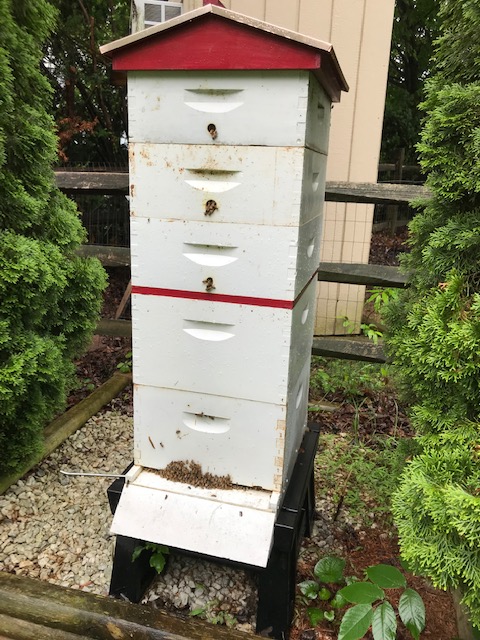
Three of our hives look really good. They’re so healthy that Craig’s added extra supers and is worried about them swarming. Look at them in this pic! They are practically bursting out of this thing. We’ll know more about the honey harvest in about a month.

My zinnias look horrible. I don’t even have the heart to share a picture. They are the opposite of the bees. Instead of thriving, they’re just… not. They’re not growing. They’re stunted. It’s not that we planted too late. It’s not the rabbit. It might be that I didn’t mix in the right soil amendments this year. But I think what really happened is I didn’t thin them when they first came up as seedlings. It’s a rookie mistake and one I’m regretting. Live and learn.

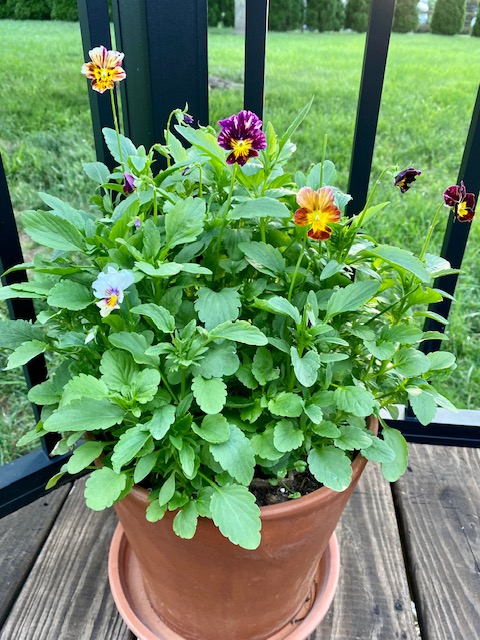
My beautiful “Brush Strokes” violas are doing well.
They look terrific and taste earthy. Sort of mild and spicy at the same time.
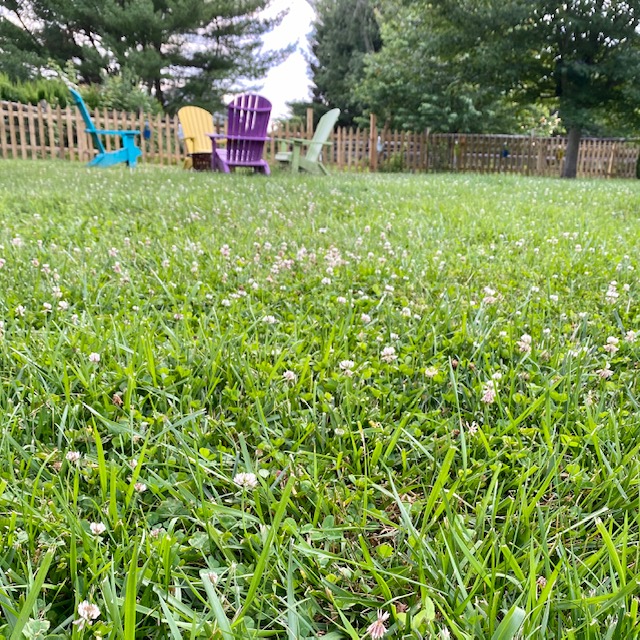
And the surprise flower success of the season — clover!
Both in our garden as ground cover for the walkways and in our yard.
We intentionally sprinkled clover seed in all our bare patches and it came up beautifully. The bees love it!

What am I bringing to the market tomorrow?

This week’s choices were inspired by Father’s Day. All savory, spicy offerings that pair well with grilled meat.

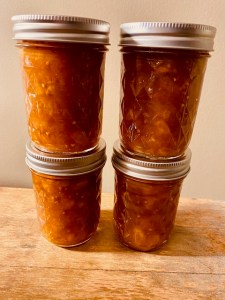
Honey Peach Chutney — With vinegar, ginger, mustard seeds, and crushed red pepper flakes, this has a tangy, spicy bite. Serve with pork chops, beer-can chicken, or goat cheese and toasted baguette slices.

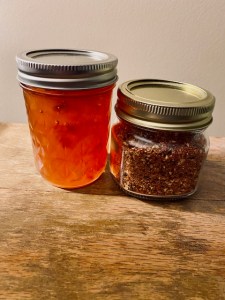
Apple Onion Marmalade — this is actually an apple jelly flavored with onion. Spread it on a turkey & cheese sandwich or an everything bagel.

Dad’s BBQ Spice Rub — a classic barbeque rub with brown sugar, smoky & sweet paprika, and a half-dozen other grilling spices.

Weโ€™re back at the Hereford Farm Market!

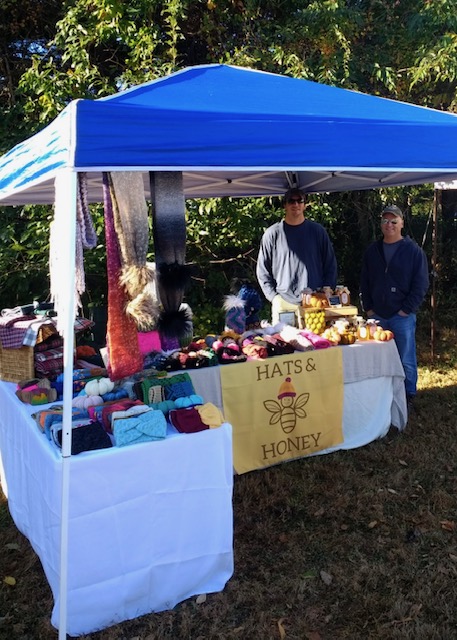
Every Saturday from May until November, weโ€™ll be at the Hereford Farm Market from 9:00 a.m. until noon. We share a table with Mandi and Rob (Rosie Posie Design Co). Mandi sells hand-knitted accessories, mug rugs (beautiful one-of-a-kind coffee coasters), and other fiber artisan offerings.

Look for us at the โ€œHats & Honeyโ€ table near Contented Roosterโ€™s pop-up pastry shop.

Why โ€œHats & Honeyโ€ when we have neither hats nor honey to sell?? Possibly because Iโ€™m the worst marketer EVER. Possibly because Iโ€™m ignoring everything anyone has ever said about branding best practices. But, in truth, itโ€™s because people at the market know us as the โ€œHats & Honeyโ€ table and we have a sentimental attachment to our table banner. (We will have both hats & honey in the fall!!)


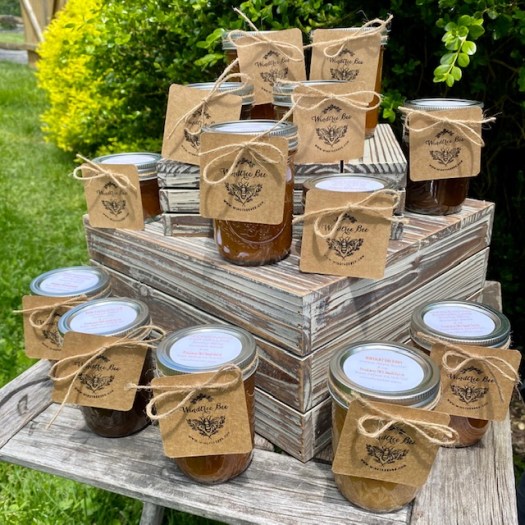
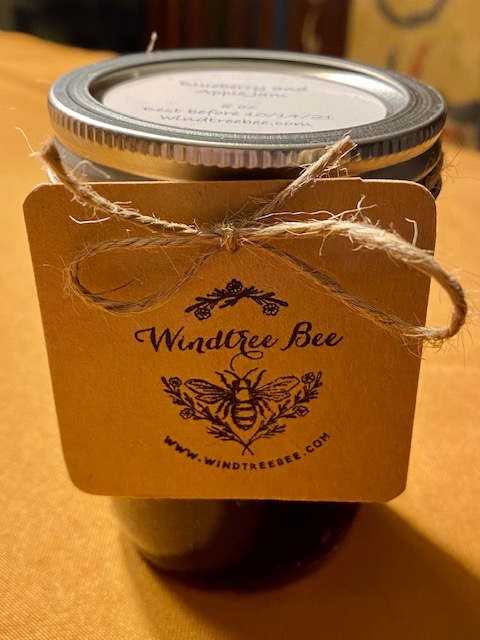
While Craig and I wait for our little bees to finish making honey, weโ€™re selling other fun bee- and honey-themed products, as well as homemade jam. Hereโ€™s whatโ€™s available from Windtree Bee this month:

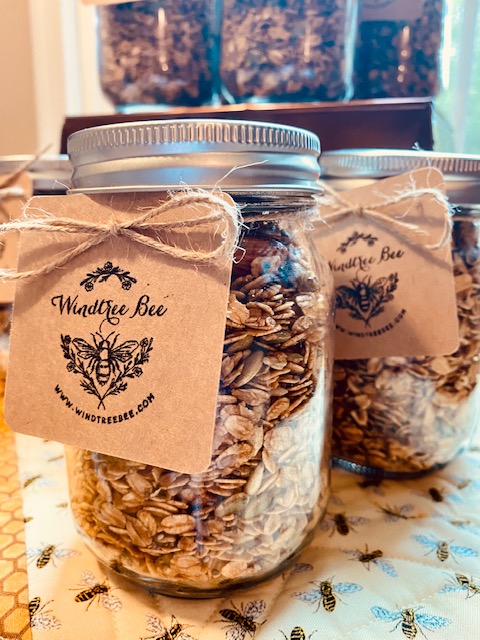
HONEY CINNAMON ALMOND GRANOLA

Limited quantities! I’ll probably make this once or twice a month, just to take a break from jam batches, which are much more labor intense. These are 16 oz jars, but dry weight is about 2 cups. Except for the almonds, salt, and honey, all the ingredients are organic. Smelled awesome while baking. Like a fresh batch of cookies!! ๐Ÿ™‚

HONEYCOMB SUNCATCHERS

St. Gobnait, Patron Saint of Bees and Beekeepers

My sister-in-law’s mom, Mary Nolan, is a glazier. She has a basement studio where she makes bespoke stained glass. This spring, she made six beautifully handcrafted bee and honeycomb suncatchers. The one above is my favorite.

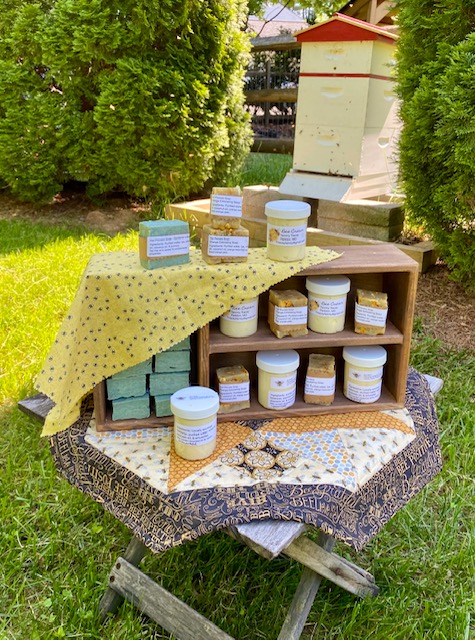
BEE BALM AND GARDNERโ€™S SOAP

Made from our beeswax!

My next-door neighbor, Tammy Tracey, makes homemade soaps, body scrubs, and beeswax salves. We gave her a bucket of beeswax from our hives and she used it to make a lavender-scented hand cream and a rich, dense nighttime balm, which is great for winter eczema. She also makes a strong gardener’s soap with pumice and tea tree oil — useful after possible poison ivy encounters!

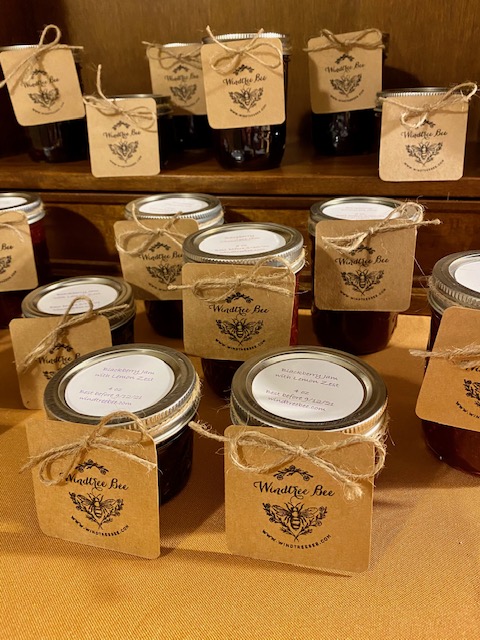
HOMEMADE JAM

I’ve had a lot of fun coming up with new flavors each week. For Preakness Saturday, I made a batch inspired by the horses. “Midnight Bourbon” Maple Apple Butter sold out almost immediately. “Risk Taking” is My Jam (a caramel apple coffee jam) followed soon after. I have one — one!! — jar of “Keepmeinmind” for Grilling left. It’s a smoky-spicy savory apple-based jam that is a terrific compliment to grilled pork or chicken.

I also have a few carrot cake and cinnamon pear jams and a half-dozen mixed berry jams left. Mixed berry (raspberry, strawberry, blackberry, and blueberry) is a classic summer jam, so I made a double batch last week. Check back each week for new flavors!


Flower Update:

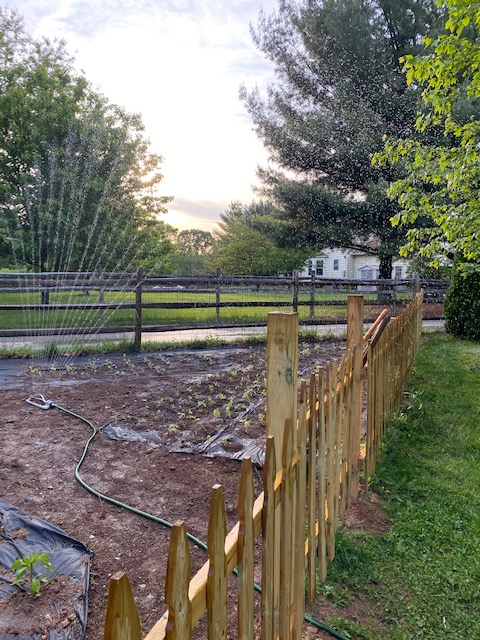
Everything is in the ground! Mostly. I held some of my sunflower seeds back. I’ve never been successful at succession planting, but it’s always fun to try. Our old garden fence was falling down, so Craig built a new one. Our spruced up garden with all the newly planted little rows of seedlings must have looked very enticing to one of the neighborhood’s wild rabbits. He (or she) chomped off the tops of several seedlings. I was just about to go all Mr. McGregor when I caught my younger daughter carrying a sack of carrots out to the garden in the hope that she could coax the rabbit out. Hmm… Stay tuned…

Bee & Honey Update:

Thank you to everyone who has stopped by our table to ask about the bees. The hives look good! Well, most of them. One hive probably has a laying worker, but we’ll probably let nature run its course and see what’s what with that hive in a month. In the meantime, Craig took on some additional beekeeping work looking out for another hive on a nearby farm. And we met some other local beekeepers who sell nucs only a few miles from us, which is great! We have neither the interest nor the acreage to try to sell nucs, so it’s nice to find a convenient source for Hereford-hardy bees!

Hope everyone is enjoying the cicadas and the start of summer! See you at the market!

Spring 2020 – Honeycomb, Jam, and More Bees!


We lost all our hives over the winter. Total and complete bummer, but unfortunately not an uncommon experience. Craigโ€™s beekeeping buddies lost most of their hives too. Everyone ordered new nucs this year from Central Maryland Beekeepers Association. Because the starter hives come from Florida, everyoneโ€™s been wondering how delivery and distribution would be handled this year due to COVID-19. CMBA made several changes to the way the pick-ups are normally handled to keep things safe and compliant with current state orders. If everything goes as planned, our new little bee buddies will be installed this weekend.

Swarm Catcher

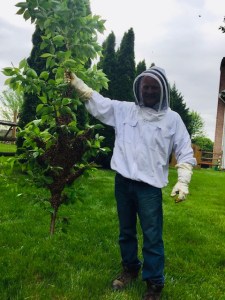
April and May are great months for beekeepers to catch natural honeybee swarms. (For more info on what a swarm is, what to do if you see one, and who to call, check out CMBAโ€™s site. Craigโ€™s listed as a beekeeper to call for the 21120 area.)

Whatโ€™s so great about a honeybee swarm?

Besides being just a neat nature-y thing, anecdotal evidence suggests naturally occurring bee swarms might be better adapted to our backyard than out-of-state nucs. (Two beekeeping buddies caught swarms last year. Post-winter, those hives are still alive.) If we manage to catch a swarm, and if it survives winter 2020, we want to split it into two Maryland-hearty hives next spring. There’s a lot of hoping, wishing, and praying to our plan, but that’s beekeeping.

First things first – catch a swarm. Hereโ€™s our swarm catcher. Weโ€™re going to hang it in one of our evergreens.


NEW THIS YEAR

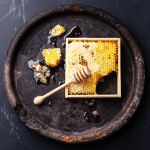
Honeycomb

We bought some special frames, so that we could offer squares of honeycomb. If youโ€™ve never had it, you will love it. It can be eaten plain, but is also great with tea and toast, figs and Brie, and โ€“ according to food writer Hattie Ellis โ€“ buttermilk panna cotta.

Jams and Jellies

For some time now, Iโ€™ve been wanting to add a new product to our Hereford Farm Market table, which would extend our selling season and diversify our offerings. Homemade jams and jellies seem like a perfect companion for home-harvested honey and cottage bouquets. To ensure that my methods were safe and my recipes sound, I enrolled in a water-bath canning course down at Baltimore Chef Shop, Hampdenโ€™s teaching kitchen, this past January. I hope to offer small batches, depending on what’s in season. Ideally, Iโ€™ll be using fruit from the farm market and/or local orchards.

Flowers

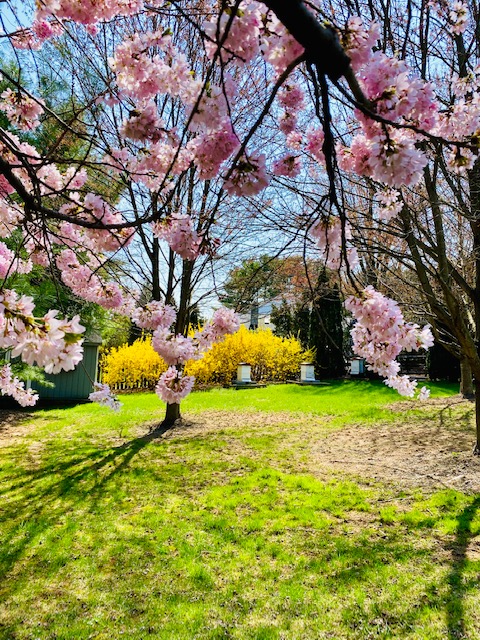
Before I could decide if I even wanted to do a soil test this year, UMass sent an email saying the lab was closed due to COVID-19. So I ordered some pH test strips online and bought some basic amendments based on last yearโ€™s lab test. Hopefully, all will be well. Seeds that need to be started inside have been planted and are happily growing beneath lights in my basement. (For a list of the types of flowers Iโ€™m growing this year, check out my flowers page.) In the meantime, I’m enjoying spring blooms.

This slideshow requires JavaScript.

Farm Market

The Hereford Farm Market has a new website. Check out the other vendors and stay tuned for more info. As far as I know, it will still open, although there will likely be new rules for shopping and gathering. Get up-to-date info on the market via Facebook and/or Instagram.


State Parks

Governor Hoganโ€™s stay-at-home order allows for limited hiking and biking in some state park areas. I imagine this is because exercising outside is a double benefit to people’s health. One of our favorite ways to cope with the current crisis is to take our dog, Tugg, for hikes and a swim in the Gunpowder River. We are very lucky to have such beautiful state parks so close to where we live! For DNRโ€™s FAQs about the stay-at-home order, click here. For the Maryland Park Serviceโ€™s list of state parks that are open or closed, click here.

Books and Movies

These are on my to-read and to-watch lists. Some are new releases, others are older.

Virtual Tours

Lots of virtual tours these days! Here are five of my favorites:


Honeycomb Gloves by Rosie Posie Design Co.


Everyone, please take care during the month of April. Stay safe and well!


Craig and Jill started keeping bees in 2015. If you liked this post, please subscribe so you donโ€™t miss the next one!

Enter your email address to subscribe to this blog and receive notifications of new posts by email.

Summer Flower Bouquets

Summer is winding down! Every week I wonder how many more blooms I’ll get this season. So far, I’ve made 26 bouquets (19 large; 7 small). Not a lot, but it’s my first summer growing cutting flowers. I’ve been experimenting and want to keep it fun. I probably could have produced more but:

  1. I intentionally left lots of flowers in the garden for the bees and butterflies. My pollinator garden is working! Butterflies, including monarchs; bumble bees, wasps (not necessarily welcome, but allowed), and our beloved honey bees have all been busy in the garden.
  2. I was lazy about “succession planting.” After getting my first batch of flowers in the ground, I never got around to planting anything else.
  3. I made some mistakes about the types of flowers I planted. Sunflowers make me happy, but they’re tall and block a lot of light. Plus, they aren’t “cut and come again.” They’re “one and done.” The cosmos were a bust. I’m not even sure I’ll do cosmos next year, regardless of the species. I like hardier looking flowers. I’ll repeat the Zinnias (both the giants and the green envy). Ditto for the Black Eyed Susans. In fact, I’d love to try other kinds: Cappuccino, Cherokee Sunset, Cherry Brandy… I’ll do marigolds again, because I love them, but need to find a different, LARGER variety. Next year, I’m wondering if I might be able to plant some late blooming, fall flowers, but what? Dahlias intimidate me. Goldenrod is great for bees, but not necessarily honey. I’ll have to do more research!ย  In the meantime…

ENJOY THE LAST FEW DAYS OF SUMMER!

This slideshow requires JavaScript.


Jill and Craig have hundreds of blooms and tens of thousands of bees on their one acre patch of land in north Baltimore County. Come see them at the Hereford Farmers Market (Sept 14), the Perry Hall library (Sept 28), and the Hereford Fall Fest (Oct 19/20).