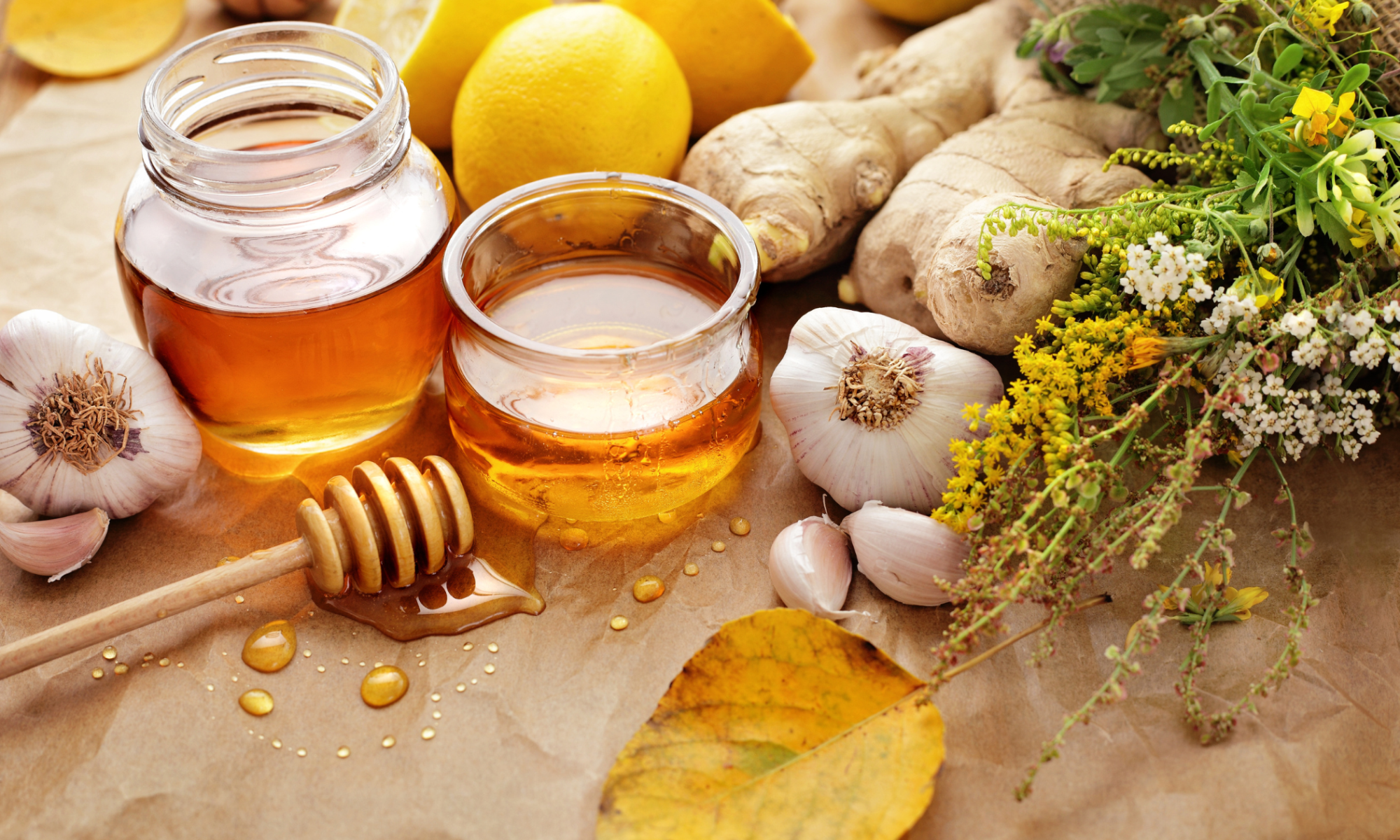

Bees and honey have been around for A LONG TIME. Bees have been making honey for millions of years and humans have been harvesting it for thousands. Bees and honey are alluded to in Sumerian and Babylonian cuneiform, the Hittite Code, India’s sacred writings, and Egypt’s hieroglyphs.
European settlers introduced honey bees to New England in 1638.
Today, there are between 115,000 and 125,000 beekeepers in the United States. Most are hobbyists with less than 25 hives each.
A hive usually has somewhere between 10,000-60,000 bees in it — one queen, some drones (males), and tons and tons of worker bees (sister-daughters of the queen).
Sometimes, a hive will swarm. To understand why this happens, it’s easier to think about the HIVE as the organism, rather than the individual bee. When a hive grows too big for its box, the hive makes a new queen, and then the old queen takes the more experienced bees away. In this way, the hive splits (or reproduces).
Honey is the only natural food that contains all of the things necessary to sustain life – calories, enzymes, minerals, vitamins, and water.
Raw honey has antibacterial, antifungal, and antioxidant qualities.
Anecdotal evidence suggests honey can help certain allergies. It’s more effective if you eat honey that has been harvested locally.
The average worker bee makes only 1/12 teaspoon of honey before she dies. Value every drop. It represents a lifetime of work!
Read more here:
 Windtree Bee