Strawberries are in season!

The signs are everywhere — strawberry shortcake at the grocery store, plentiful containers of ripe berries at the farm market, and Pick Your Own open for business at nearby orchards.

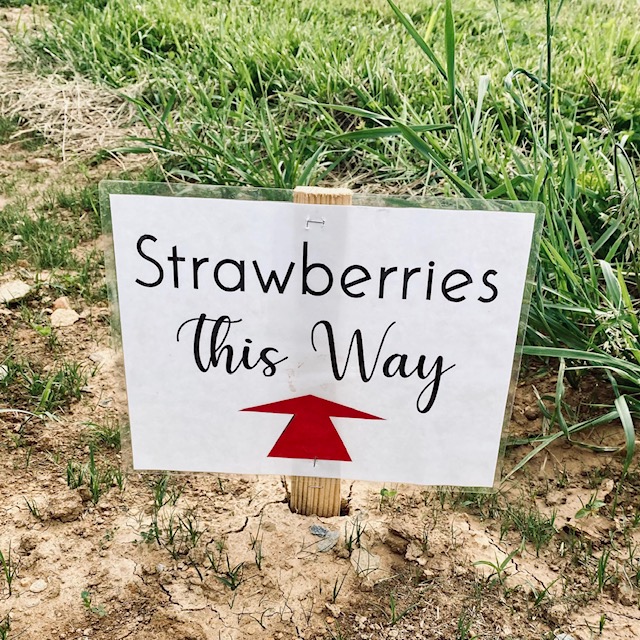
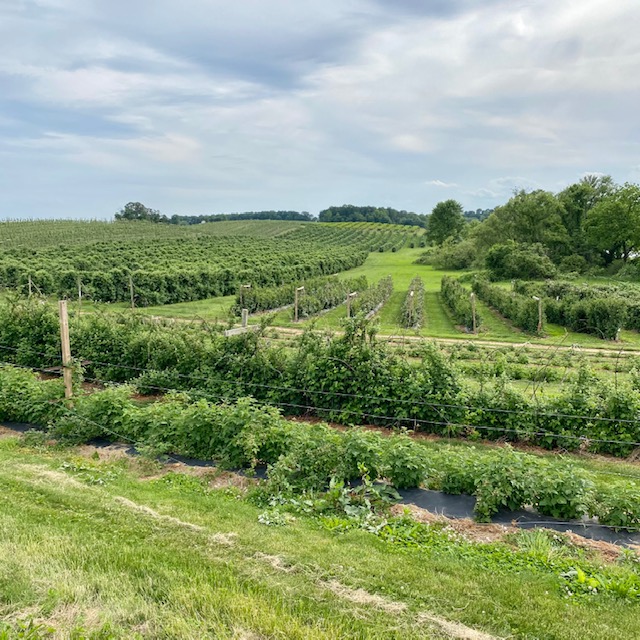
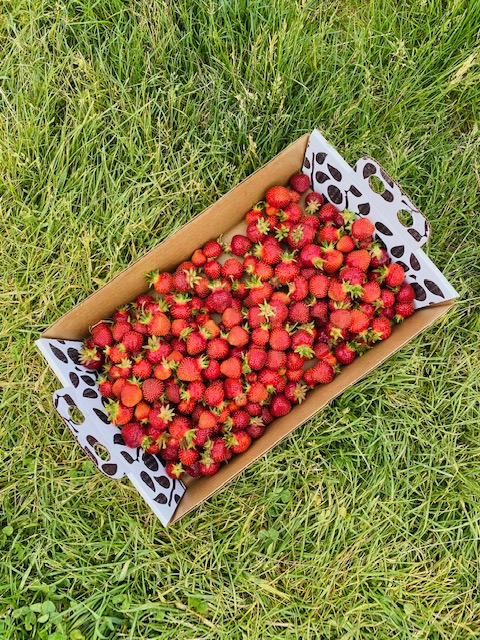
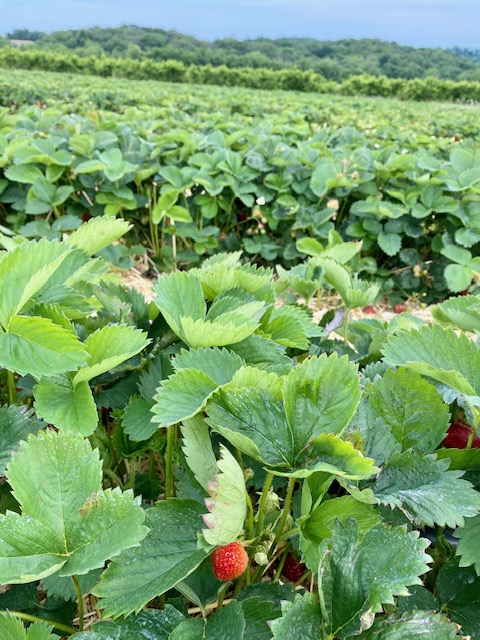
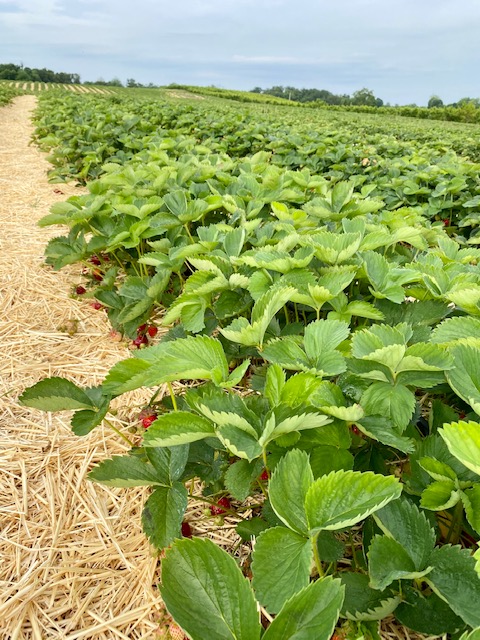
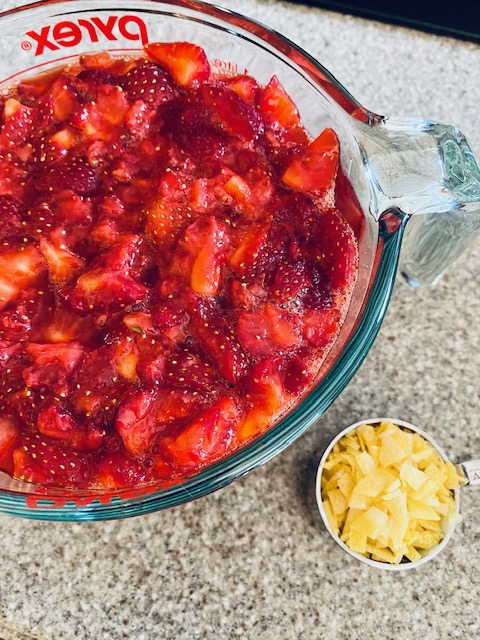
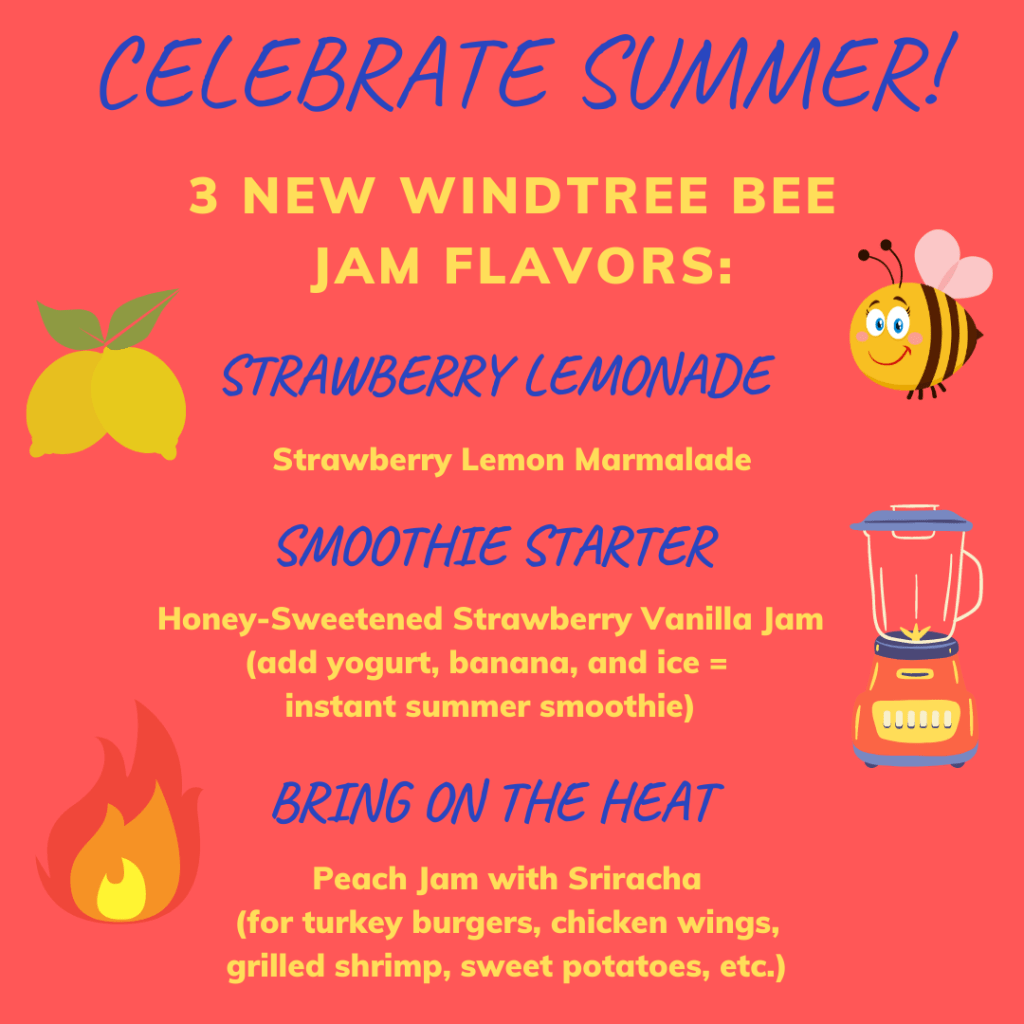
Two of this week’s jam flavors feature hand-picked strawberries from Shaw’s. I drove out there earlier this week for berries and picked them myself right from the field. The orchards were beautiful and this yearโ€™s strawberry crop is terrific. I managed to pick about five and a half pounds in the time I had. I filled in the rest of the strawberries I needed for this weekโ€™s jam batches with berries from Oak Spring Farm. If you haven’t yet bought local berries, what are you waiting for??


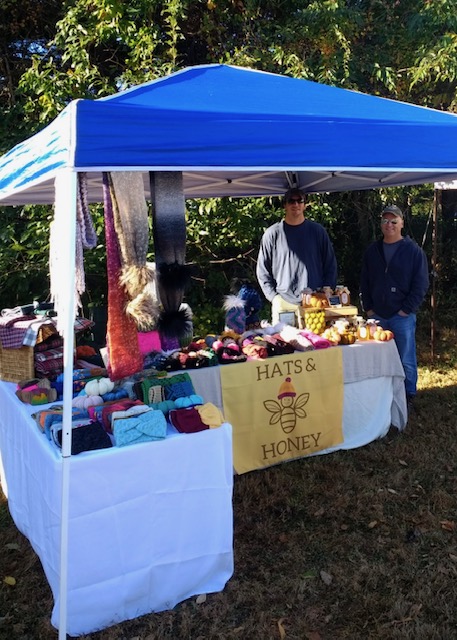
Look for me tomorrow at the “Hats & Honey” table at the Hereford Farm Market!

Weโ€™re back at the Hereford Farm Market!

Every Saturday from May until November, weโ€™ll be at the Hereford Farm Market from 9:00 a.m. until noon. We share a table with Mandi and Rob (Rosie Posie Design Co). Mandi sells hand-knitted accessories, mug rugs (beautiful one-of-a-kind coffee coasters), and other fiber artisan offerings.

Look for us at the โ€œHats & Honeyโ€ table near Contented Roosterโ€™s pop-up pastry shop.

Why โ€œHats & Honeyโ€ when we have neither hats nor honey to sell?? Possibly because Iโ€™m the worst marketer EVER. Possibly because Iโ€™m ignoring everything anyone has ever said about branding best practices. But, in truth, itโ€™s because people at the market know us as the โ€œHats & Honeyโ€ table and we have a sentimental attachment to our table banner. (We will have both hats & honey in the fall!!)


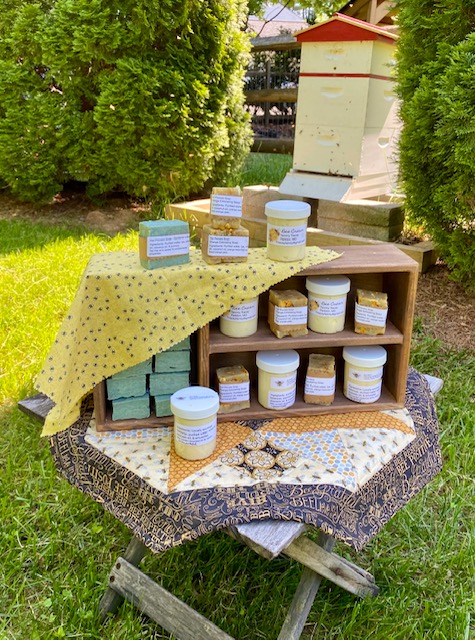
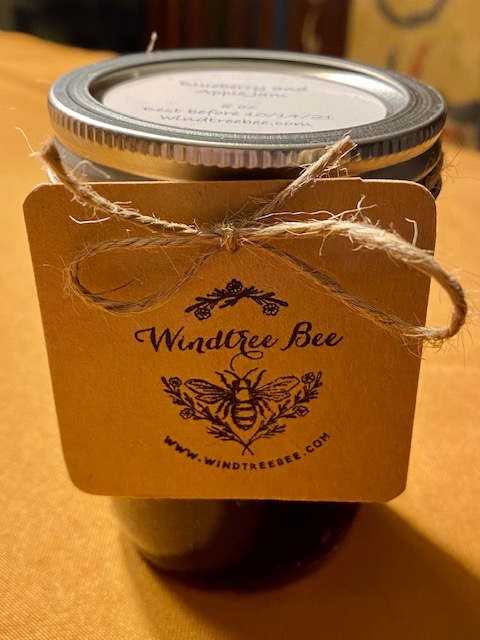
While Craig and I wait for our little bees to finish making honey, weโ€™re selling other fun bee- and honey-themed products, as well as homemade jam. Hereโ€™s whatโ€™s available from Windtree Bee this month:

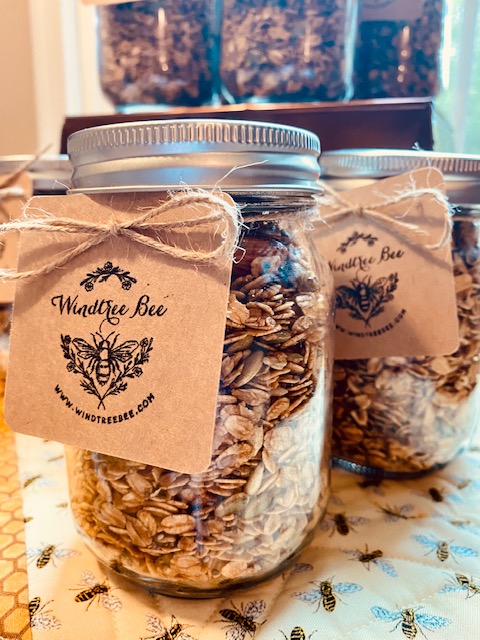
HONEY CINNAMON ALMOND GRANOLA

Limited quantities! I’ll probably make this once or twice a month, just to take a break from jam batches, which are much more labor intense. These are 16 oz jars, but dry weight is about 2 cups. Except for the almonds, salt, and honey, all the ingredients are organic. Smelled awesome while baking. Like a fresh batch of cookies!! ๐Ÿ™‚

HONEYCOMB SUNCATCHERS

St. Gobnait, Patron Saint of Bees and Beekeepers

My sister-in-law’s mom, Mary Nolan, is a glazier. She has a basement studio where she makes bespoke stained glass. This spring, she made six beautifully handcrafted bee and honeycomb suncatchers. The one above is my favorite.

BEE BALM AND GARDNERโ€™S SOAP

Made from our beeswax!

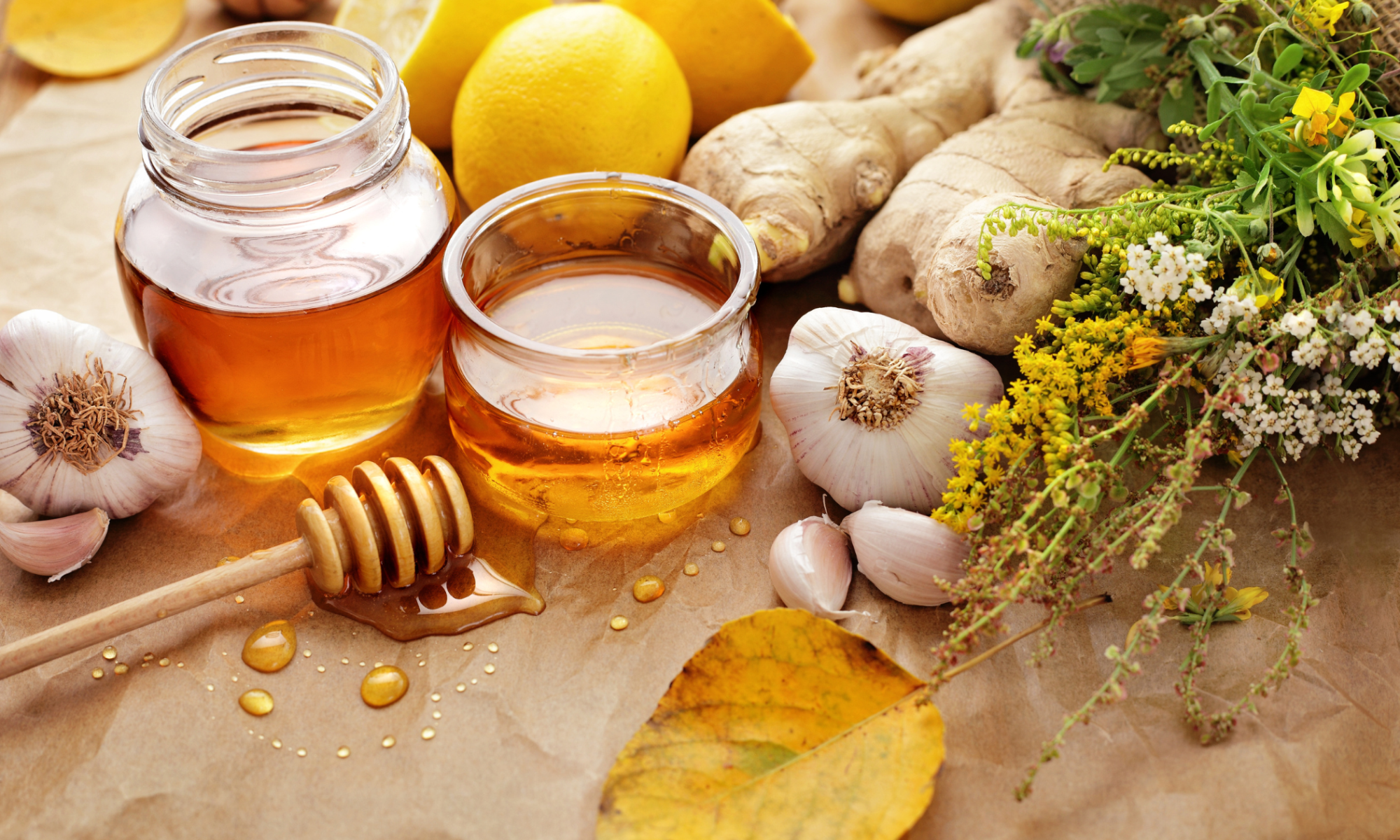
My next-door neighbor, Tammy Tracey, makes homemade soaps, body scrubs, and beeswax salves. We gave her a bucket of beeswax from our hives and she used it to make a lavender-scented hand cream and a rich, dense nighttime balm, which is great for winter eczema. She also makes a strong gardener’s soap with pumice and tea tree oil — useful after possible poison ivy encounters!

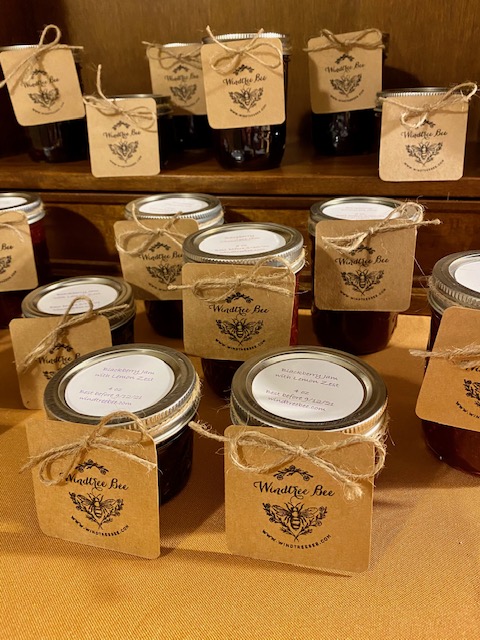
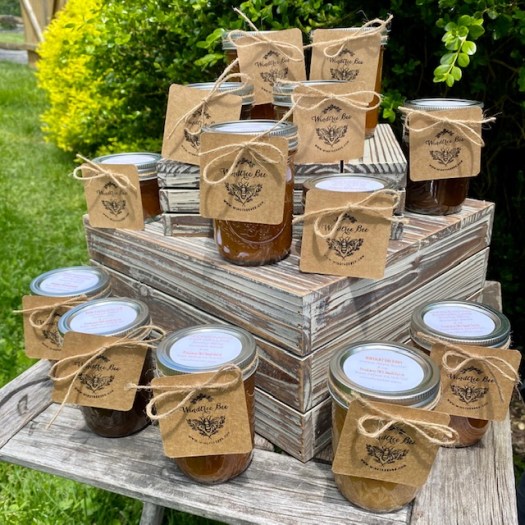
HOMEMADE JAM

I’ve had a lot of fun coming up with new flavors each week. For Preakness Saturday, I made a batch inspired by the horses. “Midnight Bourbon” Maple Apple Butter sold out almost immediately. “Risk Taking” is My Jam (a caramel apple coffee jam) followed soon after. I have one — one!! — jar of “Keepmeinmind” for Grilling left. It’s a smoky-spicy savory apple-based jam that is a terrific compliment to grilled pork or chicken.

I also have a few carrot cake and cinnamon pear jams and a half-dozen mixed berry jams left. Mixed berry (raspberry, strawberry, blackberry, and blueberry) is a classic summer jam, so I made a double batch last week. Check back each week for new flavors!


Flower Update:

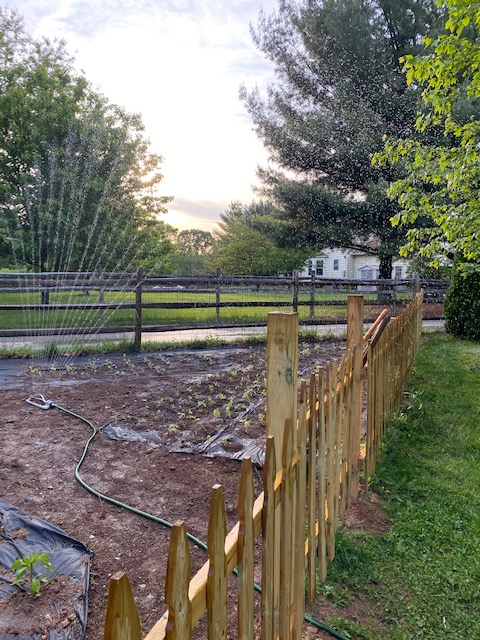
Everything is in the ground! Mostly. I held some of my sunflower seeds back. I’ve never been successful at succession planting, but it’s always fun to try. Our old garden fence was falling down, so Craig built a new one. Our spruced up garden with all the newly planted little rows of seedlings must have looked very enticing to one of the neighborhood’s wild rabbits. He (or she) chomped off the tops of several seedlings. I was just about to go all Mr. McGregor when I caught my younger daughter carrying a sack of carrots out to the garden in the hope that she could coax the rabbit out. Hmm… Stay tuned…

Bee & Honey Update:

Thank you to everyone who has stopped by our table to ask about the bees. The hives look good! Well, most of them. One hive probably has a laying worker, but we’ll probably let nature run its course and see what’s what with that hive in a month. In the meantime, Craig took on some additional beekeeping work looking out for another hive on a nearby farm. And we met some other local beekeepers who sell nucs only a few miles from us, which is great! We have neither the interest nor the acreage to try to sell nucs, so it’s nice to find a convenient source for Hereford-hardy bees!

Hope everyone is enjoying the cicadas and the start of summer! See you at the market!

Spring 2020 – Honeycomb, Jam, and More Bees!


We lost all our hives over the winter. Total and complete bummer, but unfortunately not an uncommon experience. Craigโ€™s beekeeping buddies lost most of their hives too. Everyone ordered new nucs this year from Central Maryland Beekeepers Association. Because the starter hives come from Florida, everyoneโ€™s been wondering how delivery and distribution would be handled this year due to COVID-19. CMBA made several changes to the way the pick-ups are normally handled to keep things safe and compliant with current state orders. If everything goes as planned, our new little bee buddies will be installed this weekend.

Swarm Catcher

April and May are great months for beekeepers to catch natural honeybee swarms. (For more info on what a swarm is, what to do if you see one, and who to call, check out CMBAโ€™s site. Craigโ€™s listed as a beekeeper to call for the 21120 area.)

Whatโ€™s so great about a honeybee swarm?

Besides being just a neat nature-y thing, anecdotal evidence suggests naturally occurring bee swarms might be better adapted to our backyard than out-of-state nucs. (Two beekeeping buddies caught swarms last year. Post-winter, those hives are still alive.) If we manage to catch a swarm, and if it survives winter 2020, we want to split it into two Maryland-hearty hives next spring. There’s a lot of hoping, wishing, and praying to our plan, but that’s beekeeping.

First things first – catch a swarm. Hereโ€™s our swarm catcher. Weโ€™re going to hang it in one of our evergreens.


NEW THIS YEAR

Honeycomb

We bought some special frames, so that we could offer squares of honeycomb. If youโ€™ve never had it, you will love it. It can be eaten plain, but is also great with tea and toast, figs and Brie, and โ€“ according to food writer Hattie Ellis โ€“ buttermilk panna cotta.

Jams and Jellies

For some time now, Iโ€™ve been wanting to add a new product to our Hereford Farm Market table, which would extend our selling season and diversify our offerings. Homemade jams and jellies seem like a perfect companion for home-harvested honey and cottage bouquets. To ensure that my methods were safe and my recipes sound, I enrolled in a water-bath canning course down at Baltimore Chef Shop, Hampdenโ€™s teaching kitchen, this past January. I hope to offer small batches, depending on what’s in season. Ideally, Iโ€™ll be using fruit from the farm market and/or local orchards.

Flowers

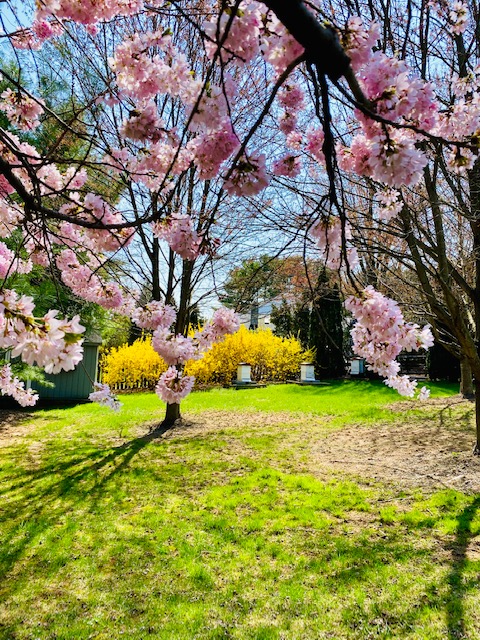
Before I could decide if I even wanted to do a soil test this year, UMass sent an email saying the lab was closed due to COVID-19. So I ordered some pH test strips online and bought some basic amendments based on last yearโ€™s lab test. Hopefully, all will be well. Seeds that need to be started inside have been planted and are happily growing beneath lights in my basement. (For a list of the types of flowers Iโ€™m growing this year, check out my flowers page.) In the meantime, I’m enjoying spring blooms.

This slideshow requires JavaScript.

Farm Market

The Hereford Farm Market has a new website. Check out the other vendors and stay tuned for more info. As far as I know, it will still open, although there will likely be new rules for shopping and gathering. Get up-to-date info on the market via Facebook and/or Instagram.


State Parks

Governor Hoganโ€™s stay-at-home order allows for limited hiking and biking in some state park areas. I imagine this is because exercising outside is a double benefit to people’s health. One of our favorite ways to cope with the current crisis is to take our dog, Tugg, for hikes and a swim in the Gunpowder River. We are very lucky to have such beautiful state parks so close to where we live! For DNRโ€™s FAQs about the stay-at-home order, click here. For the Maryland Park Serviceโ€™s list of state parks that are open or closed, click here.

Books and Movies

These are on my to-read and to-watch lists. Some are new releases, others are older.

Virtual Tours

Lots of virtual tours these days! Here are five of my favorites:


Honeycomb Gloves by Rosie Posie Design Co.


Everyone, please take care during the month of April. Stay safe and well!


Craig and Jill started keeping bees in 2015. If you liked this post, please subscribe so you donโ€™t miss the next one!

Enter your email address to subscribe to this blog and receive notifications of new posts by email.

Library Event: A Toast Among Ghosts

BCPL is hosting its fifth annual “A Toast Among Ghosts” fundraiser at the Reisterstown Branch on Saturday, September 28th from 7:00-10:00 p.m.

The historic Reisterstown Branch was formerly the Franklin Academy, where in 1831, Edgar Allan Poe applied to be the headmaster. To honor his life and legacy, library supporters are remembering the anniversary of his death in a macabre way he’d truly appreciate…in a graveyard!

There will be live music, local food vendors, beer and wine, an Edgar Allan Poe impersonator, portrayals of historic Reisterstown residents, ghost stories around a fire pit, and guided tours through the moonlit historic Reisterstown Community Cemetery.

You can buy tickets at the door. (Note: A Toast Among Ghosts is a 21+ event.) For more info, click here.

Selling Season + Winterizing the Hives

Craig harvested about the same amount of honey as last year (roughly 120 pounds). I was hopeful for a bit more because we had one more hive this year, butโ€ฆ bees, ya know? Totally unpredictable โ€“ at least thatโ€™s been our experience with backyard beekeeping. (We donโ€™t claim to know how the big commercial beekeepers/honey producers operate and, in fact, arenโ€™t advocating for that type of practice. We both continue to think that beekeeping is best for bees if done on a small scale.)

So, we jarred up this yearโ€™s harvest and started selling. Itโ€™s been fun!


Weโ€™re selling at these places this year:

OAK SPRING FARM STORE: Tuesdays from 2:00-6:00

HEREFORD FARMERS MARKET: Saturday, September 21st from 9:00-12:00 (possibly additional Saturdays)

HEREFORD FALL FEST: October 19th (10-5) and October 20th (10-6)

Craig and his friend, Chuck, are also offering another free โ€œIntro to Beekeepingโ€ class at:

PERRY HALL LIBRARY: September 28th from 2:00-3:00


BEE REPORT

We decided to keep our little nuc instead of over-wintering it at a friendโ€™s house, so now weโ€™re up to four hives. I think that will be our max. As stated above, weโ€™re not looking to go big. Weโ€™ll see how many make it through winter. For now, theyโ€™re looking good!

Winterizing the Hives

Hereโ€™s a neat thing about bees โ€“ they are super tidy. They like to keep their hive clean and will also clean any honey-covered equipment you leave in the yard for them.

After harvesting, we put the supers and buckets outside for a few days so the bees can clean them. Here are some other common things beekeepers do to prepare for winter:

HIVE CHECK UP: Basically, beekeepers want their hives as healthy as possible before heading into winter. This means assessing the strength of the queen, estimating how many bees are in the hive, seeing how much honey they have left, and checking for problems.

FEEDING: We try to leave lots of honey in the hives for our bees, but some beekeepers (us included) occasionally feed sugar water to their bees after the harvest to give them an extra calorie boost heading into winter.

TREAT FOR VARROA: Varroa mites are like vampires to bees. They suck a beeโ€™s insides out while also probably infecting it with a virus. Lovely, huh? Varroa are pests whose full scientific name is varroa destructor for a reason. A varroa infestation can easily wipe out an entire hive and spread to another hive very quickly. But you donโ€™t want to treat for varroa before the harvest, which means itโ€™s usually a fall task.

ENTRANCE REDUCER: Once summer is over, there are less bees, making less trips. To help the bees keep their hives warm in the winter, and to keep out intruders like mice, beekeepers sometimes install โ€œentrance reducers.โ€ You have to be careful about using them though, because if the bees are still too active, the entrance can get clogged with bees and the whole hive will die. (Yep, that happened to us one year. Always heartbreaking when you lose a hive, no matter the cause. Doubly bad when you feel like it was something you did.)

VIVALDI BOARDS: These are specially built frames that help with winter moisture, ventilation, and feeding problems. Weโ€™ve never used them before, but this year Craig made them for all our hives. (Every year, our goal is to have ALL OF OUR HIVES SURVIVE. Will this be the year?) Click here for a link on how to make these yourself.


Craig has been beekeeping since 2015. Jill started selling honey in 2018. Currently, they have four winterized hives and a flower garden that needs to be put to bed. Their latest experiment: Vivaldi boards. Stay tuned…

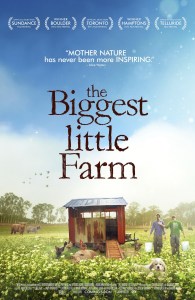
Documentary: The Biggest Little Farm

Sometime around 2010, Molly and John Chester were living in Santa Monica with their rescue dog, Todd. Todd was a cutie pie, but a major barker. So much so, in fact, that Molly and John were evicted. At the time, Molly was a food blogger, who focused on wholesome, healthy, organic options, and John was a wildlife cinematographer. Somehow, they got some investors on board and decided to buy a 200 acre farm about an hour north of LA. Over the next decade or so, John chronicled their life as new farmers and ended up making a heartwarming, inspiring film.

In the beginning, Apricot Lane Farms is only a dry desert with one sickly orchard. The Chesters hire a consultant, who teaches them about organic farming. They learn how to farm in a way that supports biodiversity rather than monocrops. They are determined to bring their soil — the foundation for all of the living things on their farm — back to health.ย 

Every challenge John and Molly encounter (and there are many) is solved not with chemicals or pesticides, but by tweaking their mix of critters. They are determined to create a natural, balanced ecosystem on their tiny farm. (โ€œTinyโ€ is relative. While 200 acres seems massive to me, the average farm in the United States is 444 acres. Some very large commercial farms are over 2,000 acres.)

These days there are a lot of documentaries and other sources of info that preach about everything thatโ€™s wrong with the world, how weโ€™re headed for catastrophic disaster, how we need to be doing things differently, etc. Iโ€™ve watched many of them! Not saying I disagree, but the thing that sets this documentary apart is its tone. There are dark moments, but the overall feeling is uplifting and hopeful. The film doesnโ€™t lecture or seek to change anyoneโ€™s behavior or become a movement. It simply tells one coupleโ€™s story of turning a small patch of dying ground into a living, thriving, healthy home for all of the creatures that live there.

Johnโ€™s former career as a filmmaker serves the film well. He is a skilled cameraman and film editor, nicely piecing together vignettes about the animals on and around their farm, with bits about their personal lives, their mentorโ€™s life — and death — and their constant, but ultimately satisfying, struggle to make the farm a holistic success.

The Biggest Little Farm – Recommended for:

  • Animal lovers
  • Fans of career reinvention stories
  • Anyone interested in organic farming and/or biodiversity

Read more here:

From Poop to Nuts: Why the Breakout Doc Didn’t Sell to Netflix

Or…

Just Watch


Jill is a part-time librarian who loves finding new movies to recommend. She also grows flowers to complement her husband’s backyard beekeeping hobby. They have a one acre lot in north Baltimore County, which makes John and Molly’s 200 acres seem vast and numinous.

Biking: A Tale of Two Trails in Western Maryland

Spent Labor Day weekend in Cumberland, biking sections of the C&O Canal Tow Path and the Great Allegheny Passage. It was awesome! Below are pics and a few details about my trip, including restaurant, lodging, and bike rental recommendations.
Midway Between Pittsburgh and D.C.

Cumberland’s heyday was pre-WWII, but the city is working to reinvent itself as a regional tourist destination. Much of its history and appeal center on the Chesapeake & Ohio Canal and the Great Allegheny Passage.

The Canal

Construction began Independence Day 1828, but the entire DC-to-Cumberland route wasn’t finished until 1850. By then, railroads had taken over. The canal’s barges, which were pulled by mules over 184 mountainous miles and through 74 locks, couldn’t compete. Ingenious in design, industrious in its making, but nearly obsolete from the start, the canal was used to ship mostly coal and timber for 100 years or so. In the 1970s, it was made into a National Park.

When you bike the trail today, you bike on the path the mules used while pulling the barges. The locks are still there, in various states of disrepair. Many are full of still water, some of it black and malignant looking. But others are full of duck weed and turtles. Some are dry. Some old gates are still in place, as well as lock houses and plenty of signs explaining the history of the canal, park, and trail.

The GAP

The Great Allegheny Passage is a 150 mile rail trail from Pittsburgh to Cumberland. We started just north of the Eastern Continental Divide. It was raining, so it was fun to think about the fact that rain drops on one side were falling into the Gulf of Mexico watershed while raindrops on the other were falling into our beloved Chesapeake Bay watershed. Because the divide is the highest point of the trail, it was literally all downhill from there. The easiest, fastest, most beautiful miles I’ve ever biked.

There were three tunnels, which were neat. I’ve biked the NCR’s Howard Tunnel a few times, but these were longer and darker. Two had lights, although some of them were out. Still, no need for a headlamp or phone flashlight. We crossed the Mason-Dixon line, chuckling a bit about how much fanfare the trail gives this border crossing. (We live about 8 miles from it farther east and cross the line multiple times a day, nearly every day.)

Bone Cave, a few miles west of Cumberland, was creepy. I’m used to using “medieval” as an adjective for “old” or “ancient.” This cave made medieval seem as modern as an iMac. It was discovered in the early 1900s when the railroad was being built. Fossils and bones from 200,000 years ago have been found inside, including cave bears and saber-toothed cats. Rock fall and a fence blocks the entrance… but I had no intention of venturing in!

The Western Maryland Scenic Railroad is still in operation. You can ride from Cumberland to Frostburg and back — or take your bike on the train and ride the GAP back. We stopped to watch the train turn around on the turntable and left before it did, so we were able to lay pennies on the track to take home as souvenirs.

Where to Stay, Eat, and Drink; Who to Rent Bikes From

We stayed at the Inn on Decatur Street. The owner offers a nice package for bikers, which she calls the “Tale of Two Trails.” You get two nights, two hot breakfasts, packed lunch for the trail, and van support for two days of riding. Riders usually do a portion of the C&O Canal one day and the GAP the next.

(When I first booked the trip, I mistakenly told Craig the package was called “A Taste of Two Trails” and he thought there would be rest stops with wine and beer tastings. Ha! Not exactly…)

We went with another couple and had dinner Saturday night at Ristorante Ottaviani, which was lovely and charming. We ate in their outdoor patio area, which is an alley strung with white lights. They had live music, great food and wine, and a server who’s thinking about getting into beekeeping. It was fun chatting with her!

My friends rented bikes from the same people who provided our van support, the Cumberland Trail Connection. The shop also happens to have beer brewing experts on staff. Some of them work for Cumberland’s new craft beer place, Dig Deep Brewery, which is renovating the first floor of the historic Footer’s Dye Works Building. We swung by to see the space and taste a sample. Can’t wait to go back. Beer and biking – what could be better? ๐Ÿ˜‰

Cumberland: Recommended for…

  • Bikers!
  • Outdoor enthusiasts
  • Fans of small mountain towns
  • Anyone interested in American history
  • Cat lovers! (Cats per capita, Cumberland rivals Rome and Istanbul!)

More information


For summer 2019, Jill’s goal was to bike 750 miles. During her Cumberland weekend, she biked nearly 50 miles, allowing her to blow past her goal and hit 772+ for the season. She mostly rides rail trails and has given talks at her local library and senior center on the history of Maryland’s Northern Central Railroad, its towns, and rail trail. One day, she’d love to bike from Pittsburgh to D.C.
Summer Flower Bouquets

Summer is winding down! Every week I wonder how many more blooms I’ll get this season. So far, I’ve made 26 bouquets (19 large; 7 small). Not a lot, but it’s my first summer growing cutting flowers. I’ve been experimenting and want to keep it fun. I probably could have produced more but:

  1. I intentionally left lots of flowers in the garden for the bees and butterflies. My pollinator garden is working! Butterflies, including monarchs; bumble bees, wasps (not necessarily welcome, but allowed), and our beloved honey bees have all been busy in the garden.
  2. I was lazy about “succession planting.” After getting my first batch of flowers in the ground, I never got around to planting anything else.
  3. I made some mistakes about the types of flowers I planted. Sunflowers make me happy, but they’re tall and block a lot of light. Plus, they aren’t “cut and come again.” They’re “one and done.” The cosmos were a bust. I’m not even sure I’ll do cosmos next year, regardless of the species. I like hardier looking flowers. I’ll repeat the Zinnias (both the giants and the green envy). Ditto for the Black Eyed Susans. In fact, I’d love to try other kinds: Cappuccino, Cherokee Sunset, Cherry Brandy… I’ll do marigolds again, because I love them, but need to find a different, LARGER variety. Next year, I’m wondering if I might be able to plant some late blooming, fall flowers, but what? Dahlias intimidate me. Goldenrod is great for bees, but not necessarily honey. I’ll have to do more research!ย  In the meantime…

ENJOY THE LAST FEW DAYS OF SUMMER!

This slideshow requires JavaScript.


Jill and Craig have hundreds of blooms and tens of thousands of bees on their one acre patch of land in north Baltimore County. Come see them at the Hereford Farmers Market (Sept 14), the Perry Hall library (Sept 28), and the Hereford Fall Fest (Oct 19/20).

Planning for the 2019 Honey Harvest

Many beekeepers in our area harvest their honey by the end of August. By then, the bees have been hard at work producing honey and most of what you can take is ready. (We always try to leave enough honey for the hives to over-winter so we don’t have to feed them sugar water.)

How do we know it’s time to harvest?

Aside from the time of year (late summer), the main thing Craig looks for are multiple frames of completely capped honey. (Worker bees cap each cell when the water content is perfect for ripe honey.)

How harvesting works

This bit is written for anyone with a mild interest in how the honey they’re buying/eating has been harvested. (If you’re a new beekeeper, you’re going to want more detailed instructions — see below.)

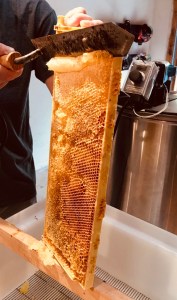
  1. Uncap the supers. This means the beekeeper basically takes a hot knife and cuts the top off all those little honey cells.
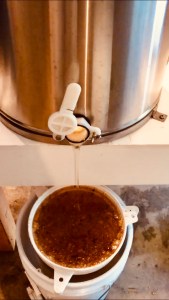
  2. Extract the honey from the frames. We use a centrifugal honey extractor. All the honey gets spun out of the frame, drips down the side of the extractor, through a filter, which gets out all of the really big bits of wax, etc. Then the filtered honey drips into a clean bucket with a closed spout.
  3. Bottle the honey. Glass jars are sanitized, lined up, and filled from theย  bucket. Usually, Craig fills the jars and I put the lids on. It takes an hour or two to bottle one bucket of extracted honey.

    Etsy is a great place to find quilt squares
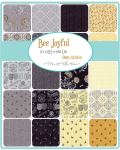
  4. Package the honey jars. I keep it simple. Each jar gets a little quilt square, secured with a clean rubber band.
  5. Box them up for sale… Or give them away to friends & family! ๐Ÿ™‚

For wannabees and beginner beekeepers

If you want more information on getting started or harvesting your first batch of honey, here are some additional resources:

JE SUIS PREST

Anyone an Outlander fan? First published in 1991, the novel follows the adventures of Claire Fraser nee Beauchamp as she travels back and forth through time, Scotland, France, and the U.S. Her lover’s clan motto is “Je suis prest” — I am ready. ๐Ÿ˜€

Stay tuned… I’ll let you know in a future post how the harvest went!


Craig has been beekeeping since 2015. Jill started selling honey in 2018. Currently, they have three established hives and one nuc, which they will likely overwinter at a friend’s house. Craig has presented at the Hereford and Cockeysville libraries on beekeeping basics.